

Prepare Yourself and Your Loved Ones Before an Emergency Strikes
Urban Tactical Concepts provides practical emergency preparedness training, violence prevention training, and urban survival training for civilians living in today's urban world. Our Civilian Operating System (COS) helps individuals and families build situational awareness, strengthen personal security, and develop the confidence to make better decisions when it matters most.
Because preparedness is not about fear, it is about being ready when life does not go according to plan.

the mindset before our trainings
what we stand for
preparedness over panic
Many people wait until a crisis happens before thinking about what they should do. We believe preparation should happen long before an emergency begins. Simple planning and practical skills can prevent confusion and poor decisions when time matters most.
Confidence Through Knowledge
Uncertainty creates stress. Understanding what to do during emergencies helps reduce fear and improve decision-making. Knowledge builds confidence, and confidence leads to better outcomes.
Practicality Skills for real life situation
Preparedness should work for everyday people. Our training focuses on realistic situations that civilians may actually face rather than unlikely scenarios. The goal is practical knowledge that can be applied immediately.
Skills Before Supplies
Gear has its place, but preparedness starts with awareness, communication, planning, and practiced decisions that help people respond clearly under pressure.
Awareness Before Action
Most threats give warning signs before they become obvious. Learning how to identify unusual behavior, environmental risks, and developing situations allows people to make better decisions earlier. This is a core part of every situational awareness course we teach.
Prevention is Protection
Many dangerous situations can be avoided altogether. Through violence prevention training, threat recognition, and situational awareness education, we help people recognize problems early and reduce unnecessary risk.
Family First Thinking
Many people focus on protecting themselves but forget to plan for spouses, children, parents, and loved ones. We teach readiness strategies that help entire households become more prepared and connected during disruptions.
Continuous Learning
Threats evolve. Technology changes. Cities grow. New risks emerge every year. Preparedness is not a one-time event. It is an ongoing process of learning, adapting, and improving.

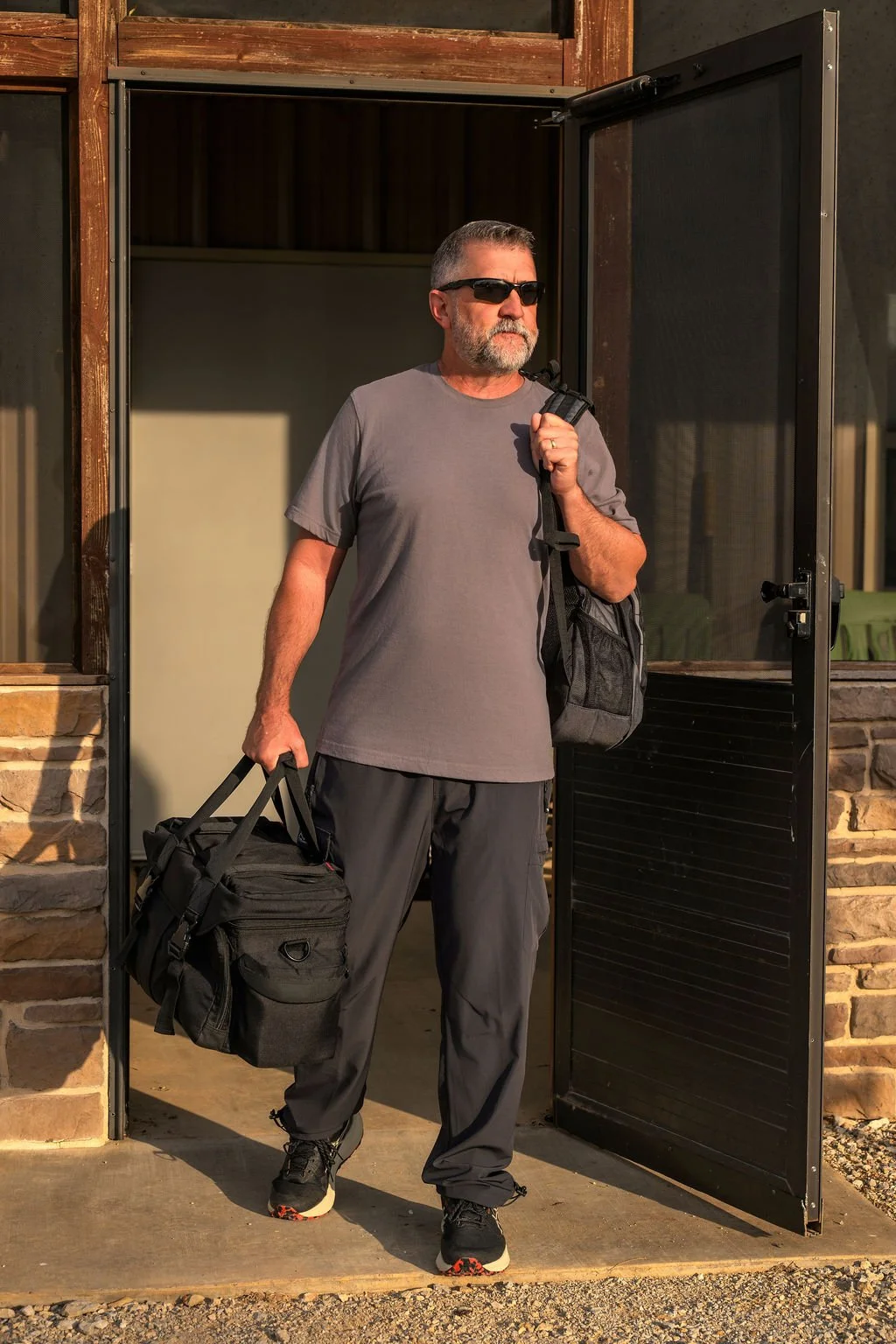
Why Proper Training Matters
Emergency Plans Break Down When Real Pressure Hits
Most emergency plans look good on paper.
Unfortunately, paper does not make decisions during a crisis.
Many plans fail because people never practice them. Family members do not understand their responsibilities. Communication methods depend entirely on cell phones. Plans assume roads will remain open, technology will function, and everyone will be able to communicate normally.
The reality is very different.
The world has changed dramatically over the last decade. Cities are more connected than ever, but they are also more dependent on technology. A power outage can affect communication, transportation, payments, and access to information almost immediately.
Small daily habits also create risk:
Failing to notice suspicious behavior around us
Failing to notice suspicious behavior around us
Walking through public spaces distracted by phones
Wearing headphones that block environmental awareness
Following the same predictable routines every day
Depending entirely on digital communication
Assuming emergency services will always arrive quickly
Having supplies but no practical plan
At Urban Tactical Concepts, we focus on realistic preparedness that works under real-world conditions.
Our urban survival training addresses what actually happens when plans meet reality. We help individuals and families develop practical responses, backup communication methods, stronger awareness habits, and decision-making skills that work even when conditions are far from perfect.
Preparedness is not designed for perfect conditions. It is designed for the moments when plans change, systems fail, and decisions matter most.
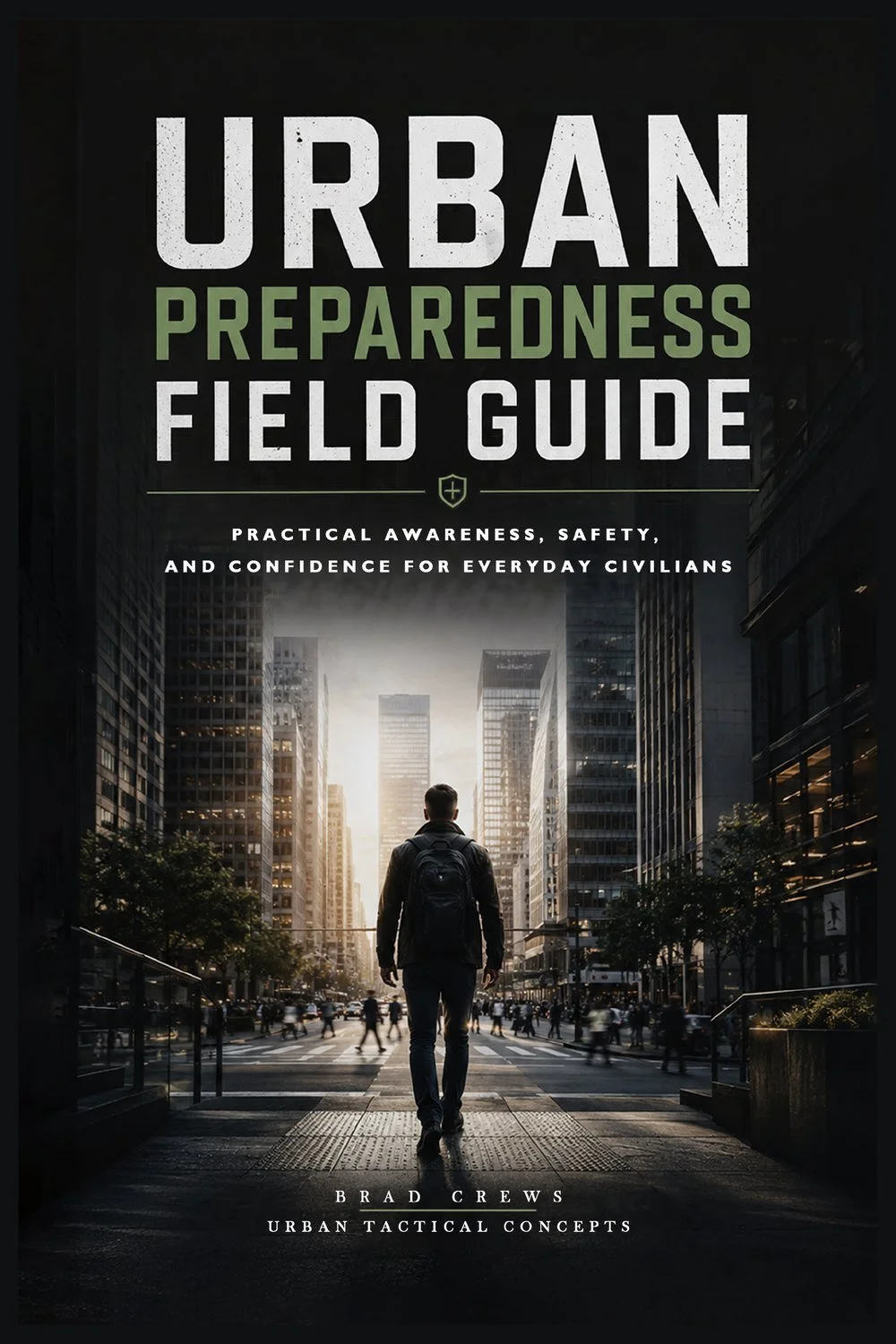
FREE FIELD GUIDE
The field guide behind our training.
Founder Brad Crews distills more than a decade of police and protective-service experience into Urban Preparedness Field Guide - practical awareness, safety, and confidence for everyday civilians. Calm, research-grounded, and built for real life - yours free.
Paper Back | Digital | Audio Book
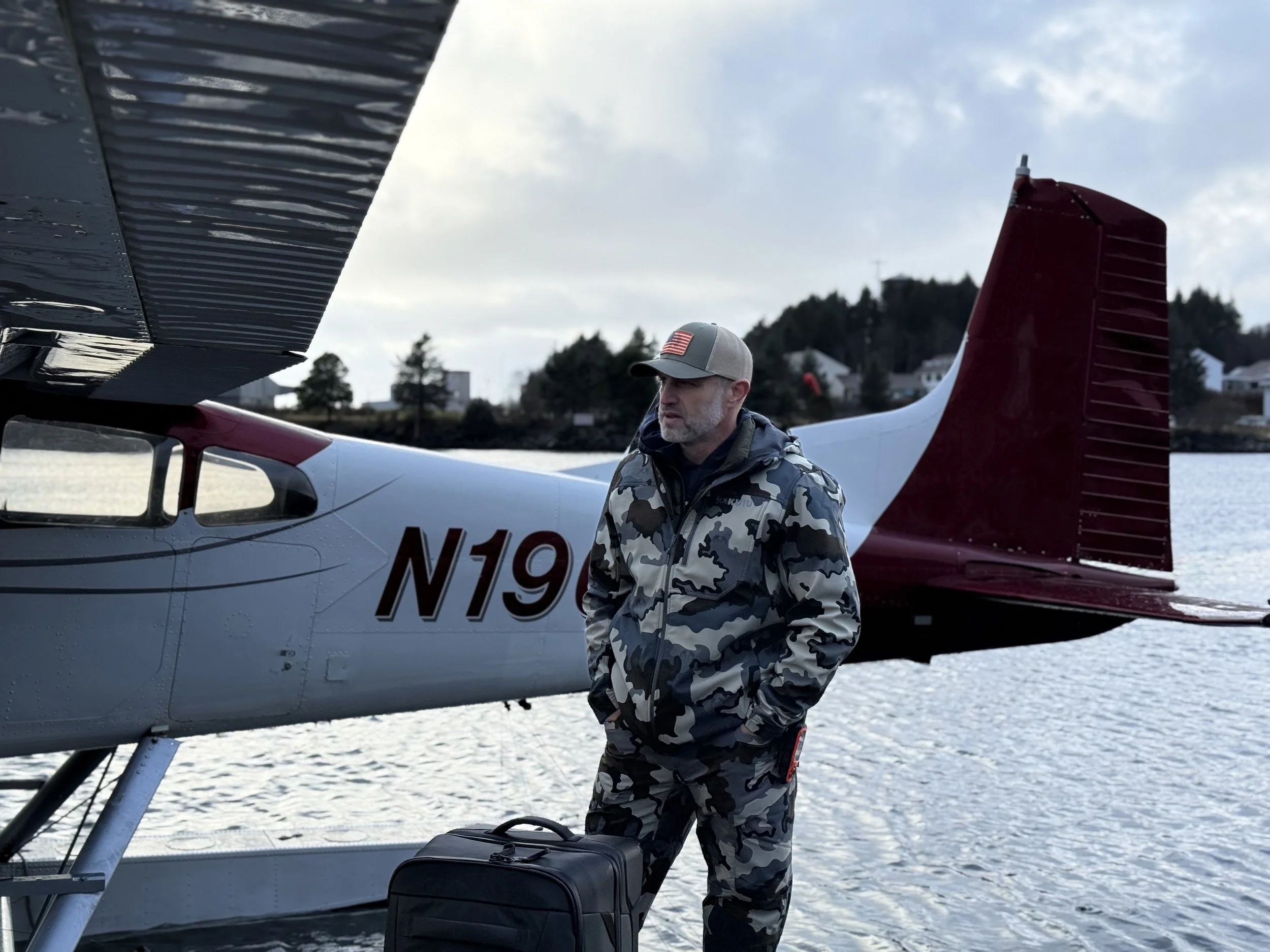
LEADERSHIP A Thought Worth Training For
YOU CANNOT CONTROL EVERY SITUATION. YOU CAN CONTROL HOW PREPARED YOU ARE FOR IT
Brad Crews
Meet The Founder
Urban Tactical Concepts was founded by Brad Crews with a simple belief: people deserve practical training that helps them stay safer and more prepared in an increasingly unpredictable world.
Many preparedness programs focus on a single area such as firearms, survival skills, or emergency planning. Brad recognized a larger problem. Most civilians needed a complete understanding of urban preparedness, personal security, awareness, and family readiness.
That realization became the foundation of Urban Tactical Concepts.
Brad's approach focuses on helping people understand risks before they become emergencies. Through practical education, scenario-based instruction, and real-world applications, he helps individuals and families build skills that can be used in everyday life.
His goal is not to create fear.
His goal is to help people become more capable, more aware, and more confident in their ability to navigate uncertain situations.
What People Must Know
Eight Critical Skills for Modern Urban Life
Urban Awareness & Threat Detection
Stronger awareness helps people notice behavior changes, warning signs, and environmental risks before a situation becomes harder to avoid.
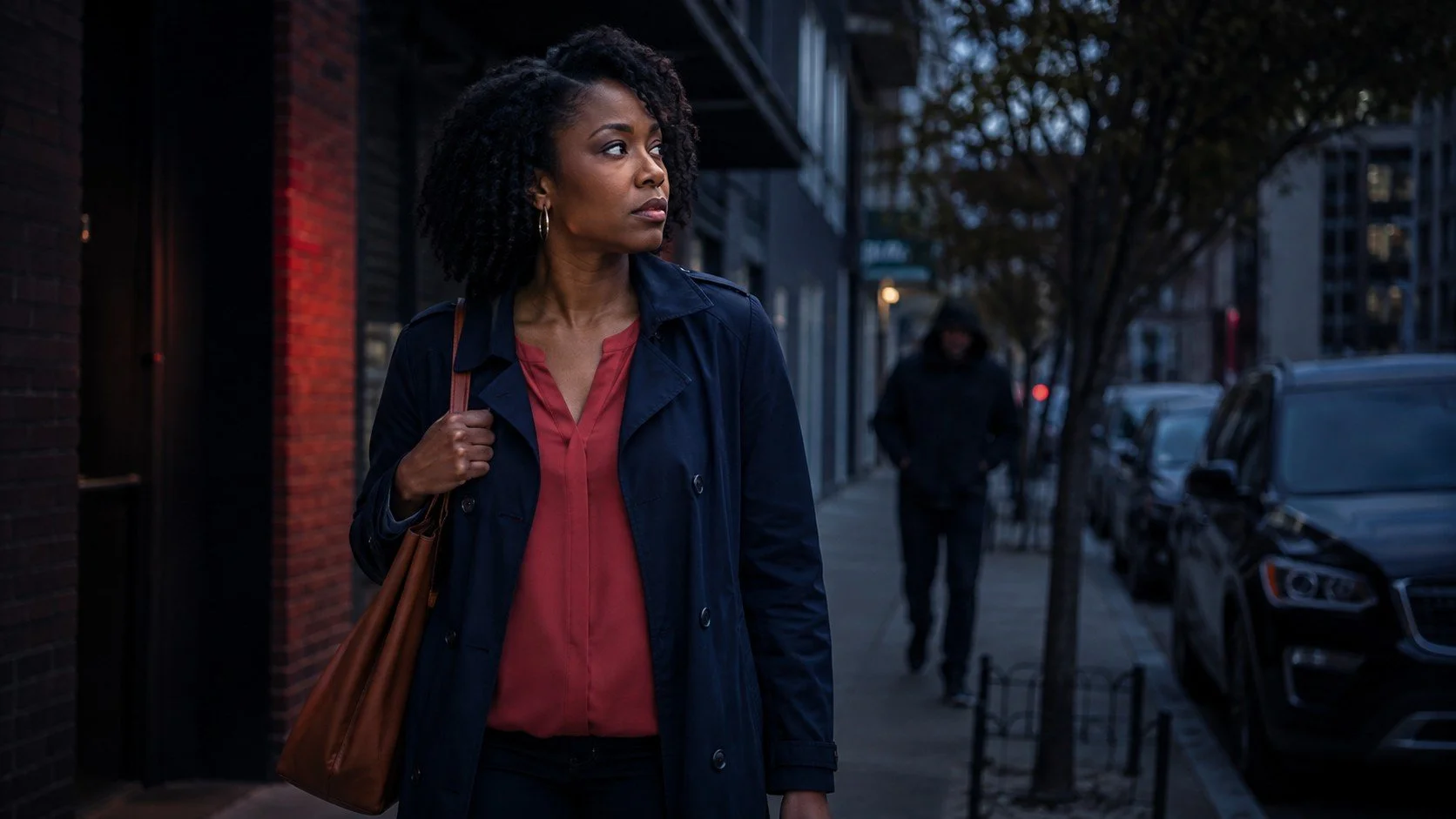
Criminal Behavior & Victim Selection
Discover how criminals identify soft targets - and how simple behavioral shifts can dramatically reduce vulnerability.
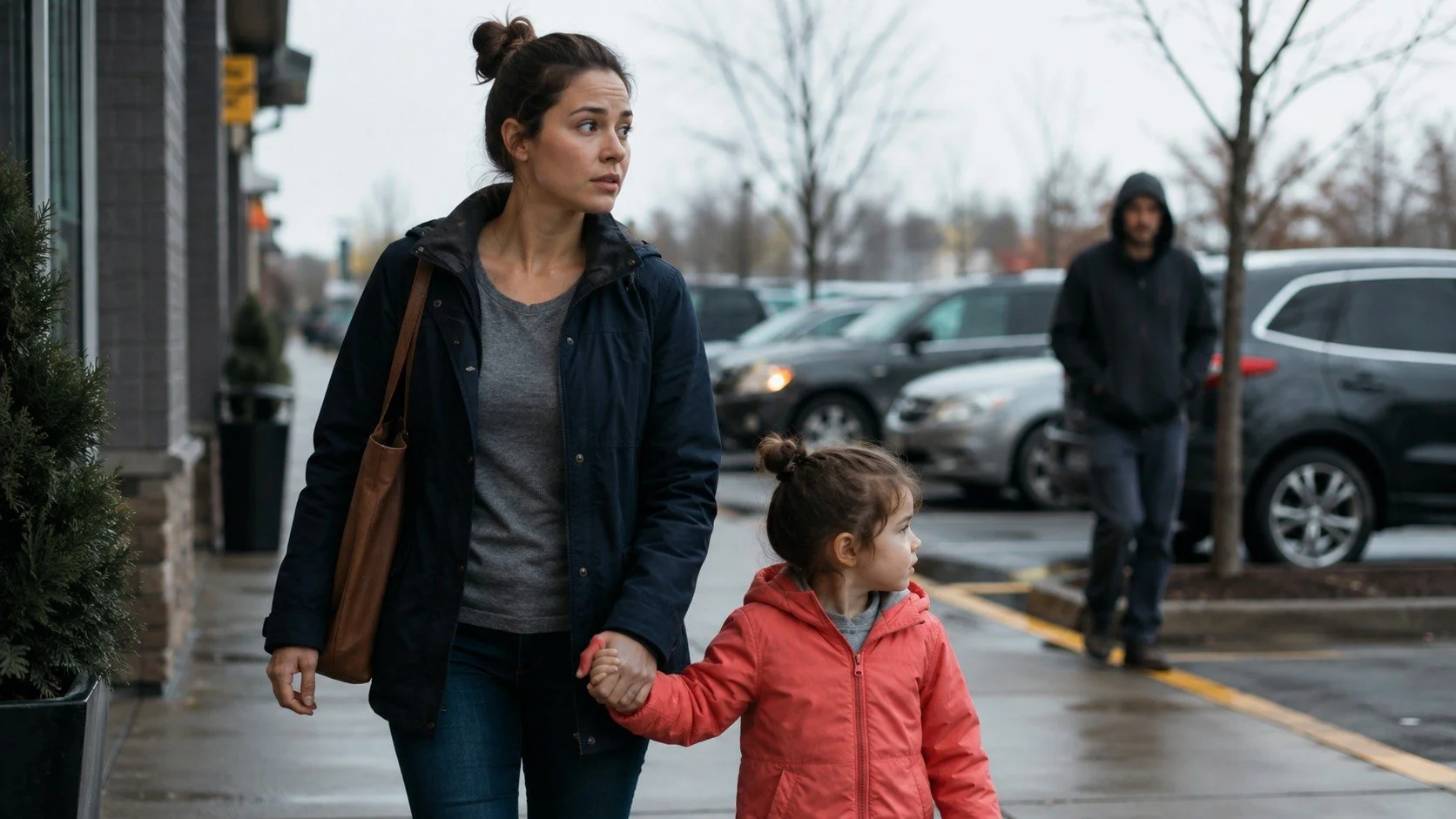
OODA Loop & Rapid Decision-Making
Clear decisions under pressure come from processing what is happening, weighing options quickly, and choosing action with purpose.
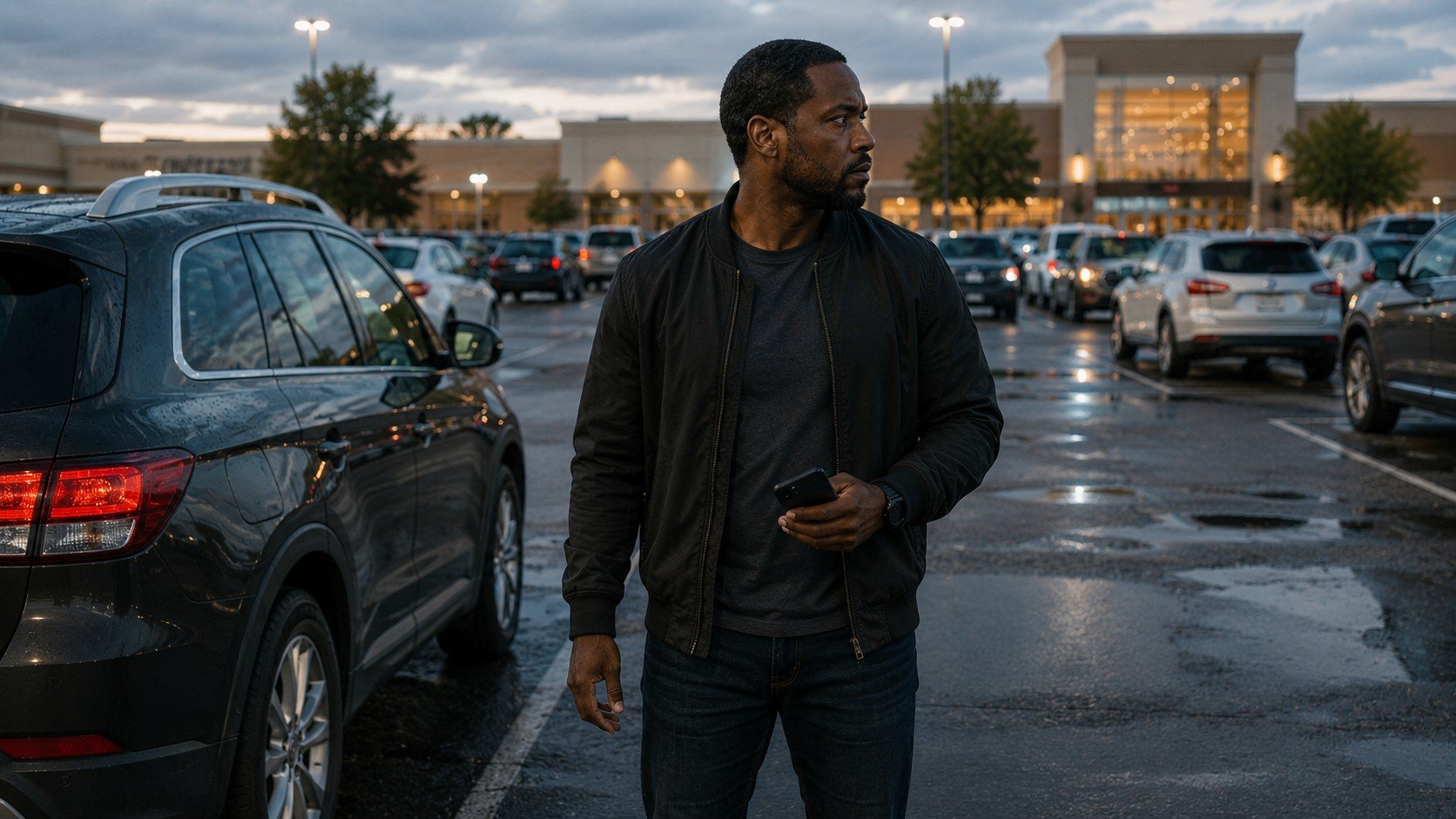
Surveillance Detection & Counter-Surveillance
Predictable routines can create risk. Pattern recognition helps people spot unusual observations and adjust their movement before exposure increases.
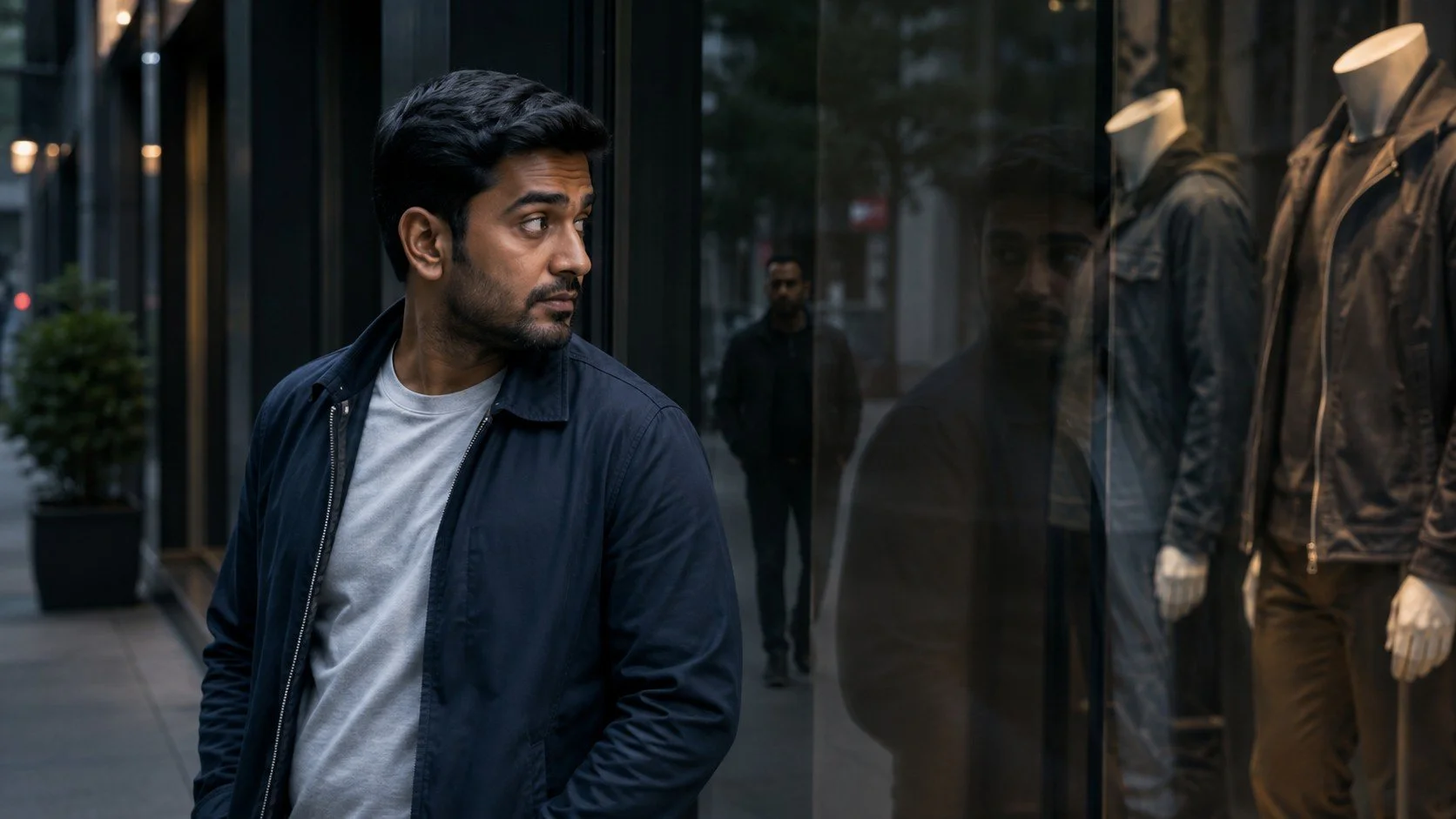
Home Defense & Layered Security
A safer home depends on habits, visibility, access control, family communication, and layered security measures that work together.
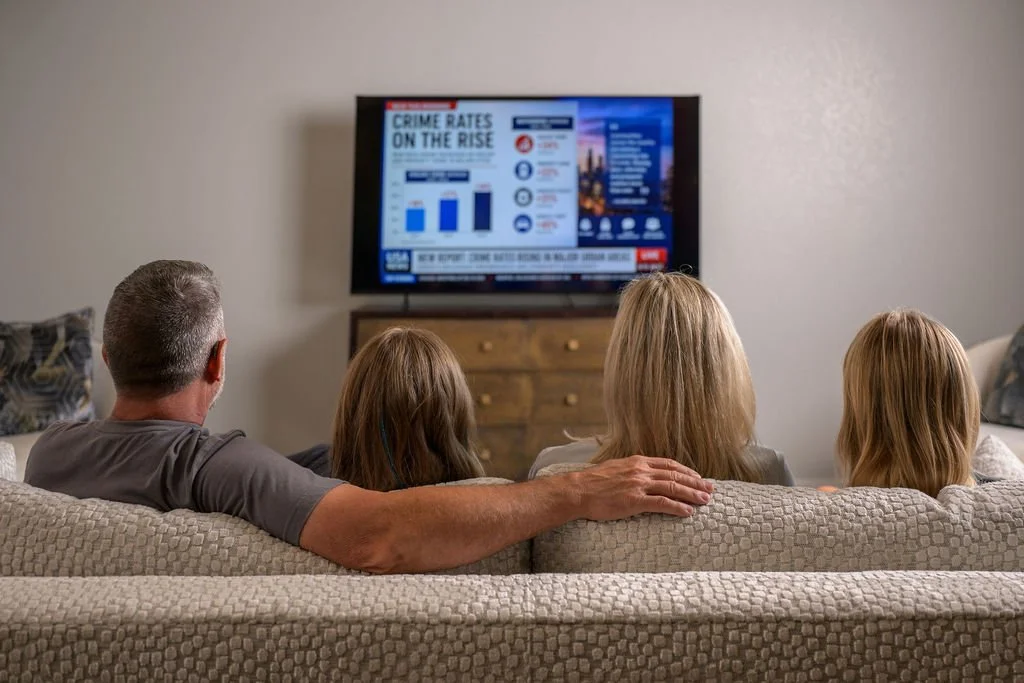
Urban Movement & Environmental Scanning
Parking lots, crowds, transit areas, and unfamiliar spaces require active scanning so people can move with awareness instead of distraction.
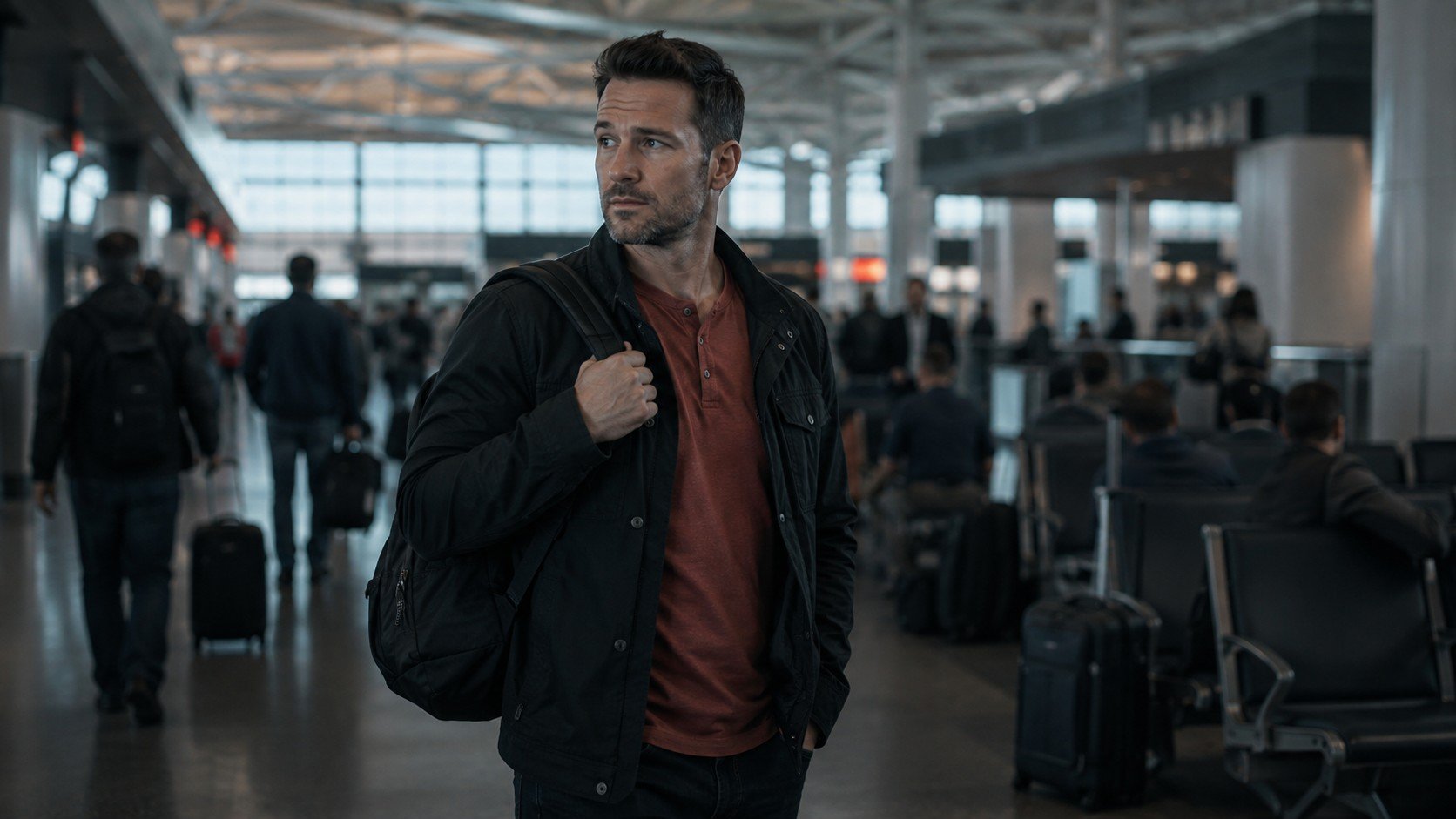
Emergency Preparedness & Urban Resilience
Reliable readiness includes backup communication, supply planning, family roles, and response steps for outages, storms, unrest, and disruptions.
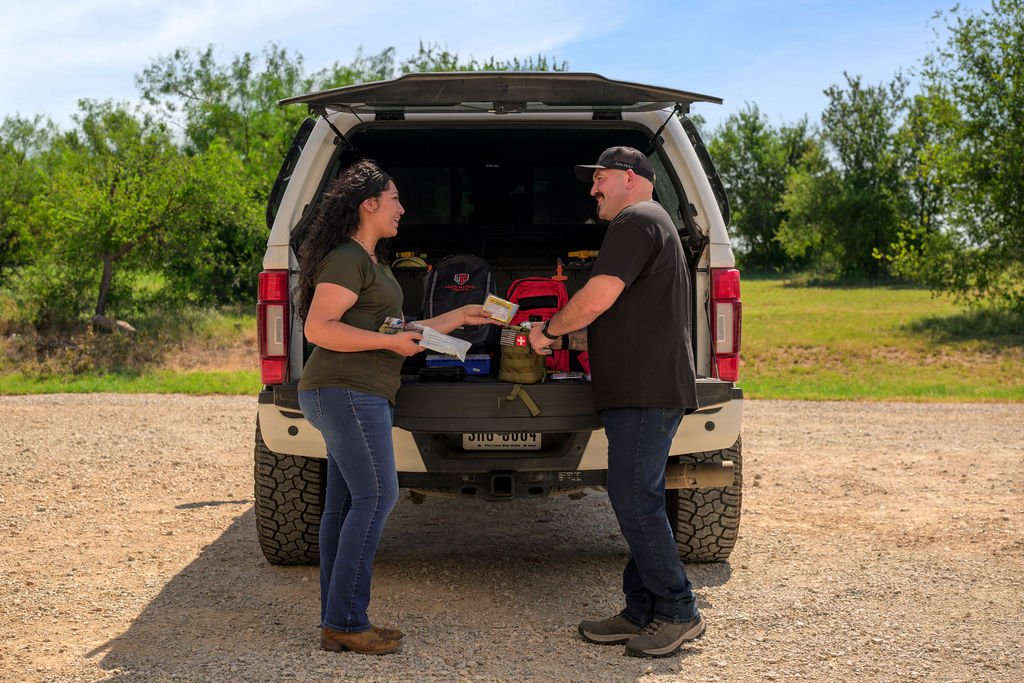
Bug-In / Bug-Out Planning
The decision to stay or leave should be based on conditions, timing, routes, supplies, and the safety of your household.
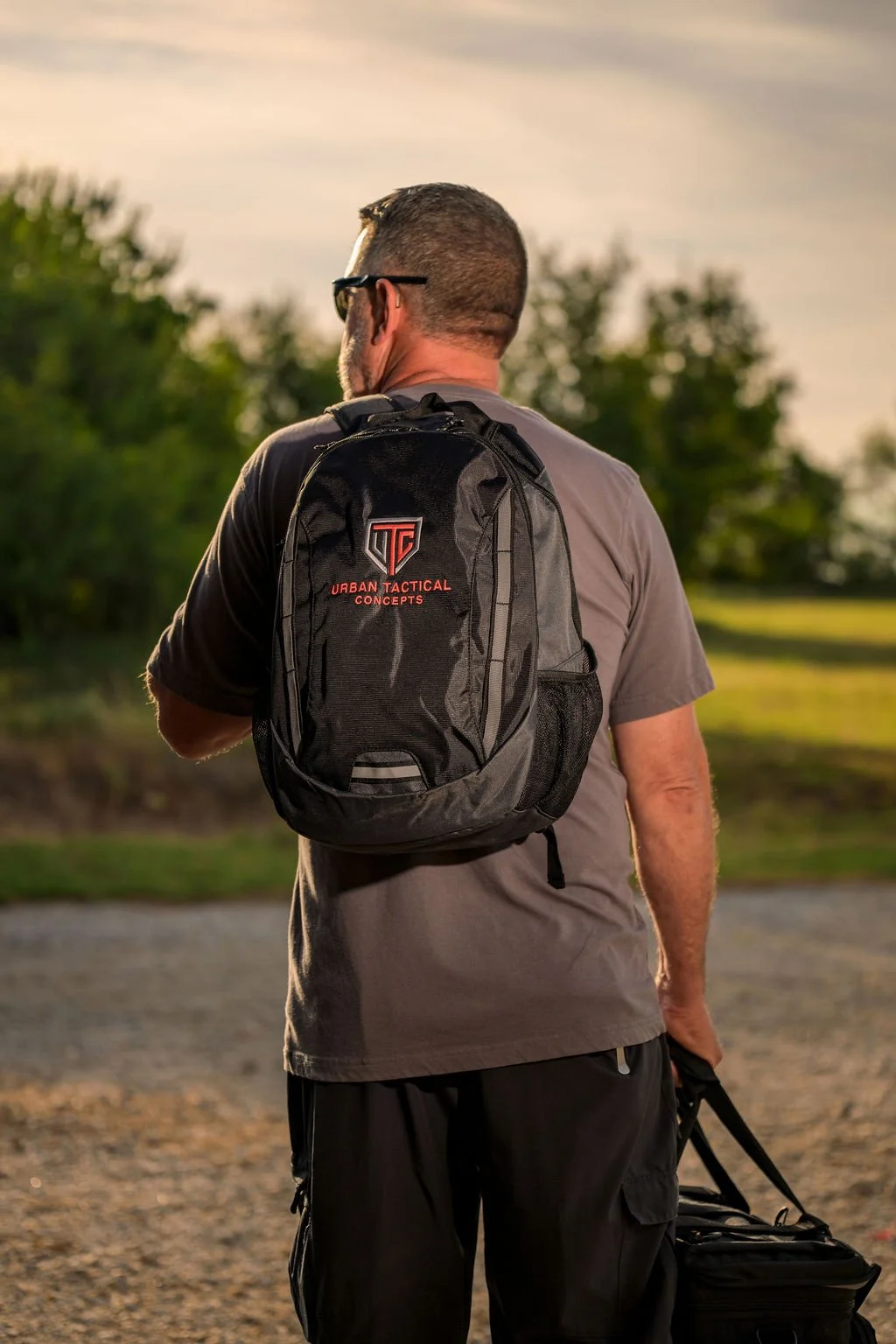
Awareness Reduces Risk
Trouble Does Not Always Look Like Trouble at First
Most people assume they will recognize danger the moment it appears. Unfortunately, that is rarely how real-world incidents happen.
Many dangerous situations do not begin as an obvious danger. They often begin as small changes in the environment.
Someone standing too close for too long
A stranger watching your routine
A person moving with you through the same areas more than once
An exit becomes crowded or blocked
These signs may seem minor at first, but they can give you time to make a safer decision before the situation gets worse.
The problem is that many people have never been taught how to identify these early warning signs. As a result, they do not recognize a potential threat until it becomes obvious, and by then their options may be limited.
The problem is that many people have never been taught how to identify these early warning signs. As a result, they do not recognize a potential threat until it becomes obvious, and by then their options may be limited.
The sooner a potential problem is identified, the more time people have to make good decisions, create distance, avoid unnecessary risk, or seek help if needed. This is why situational awareness has become one of the most valuable skills a person can develop in today's world.
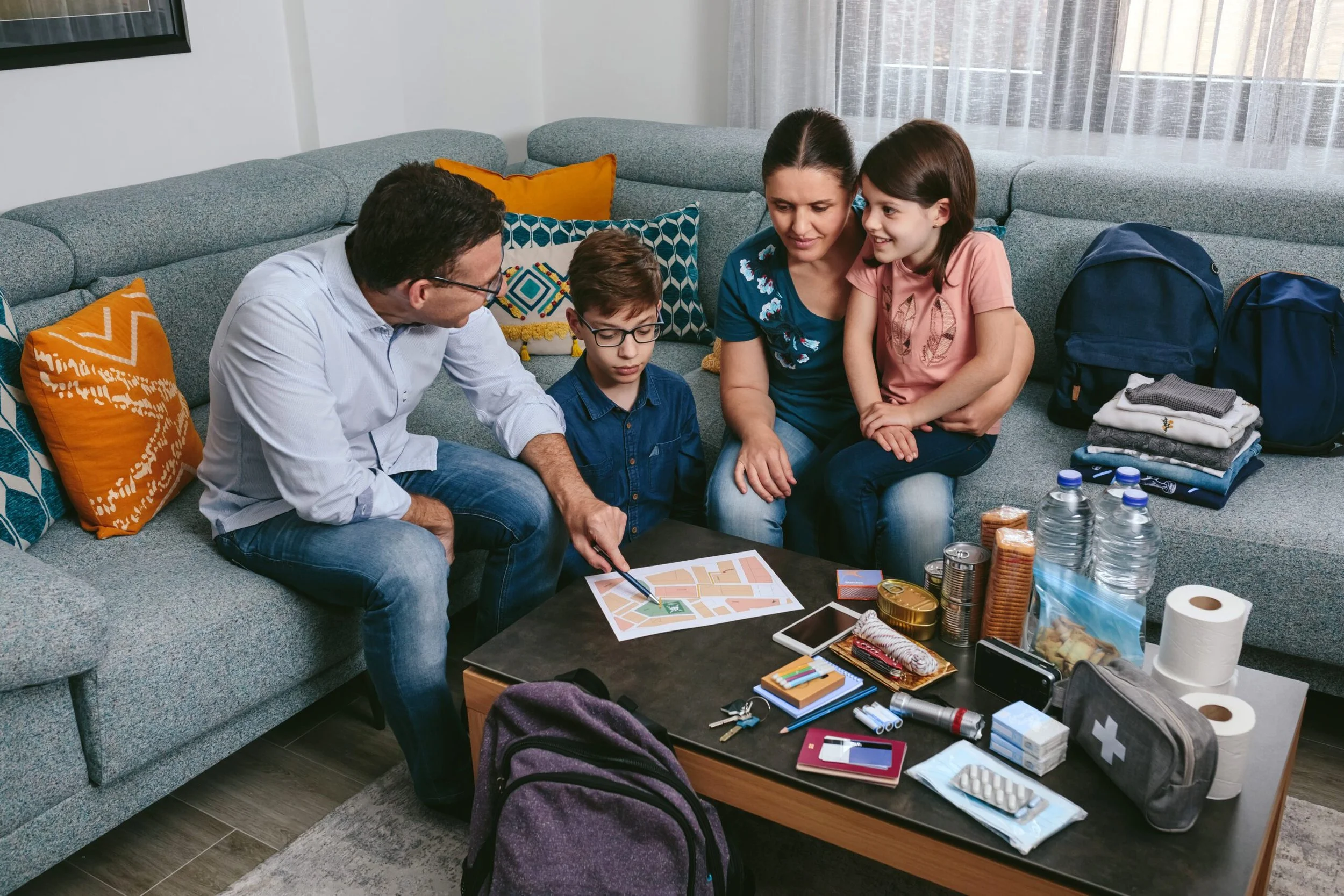
Family Readiness Gaps
The Everyday Assumptions That Can Fail During an Emergency
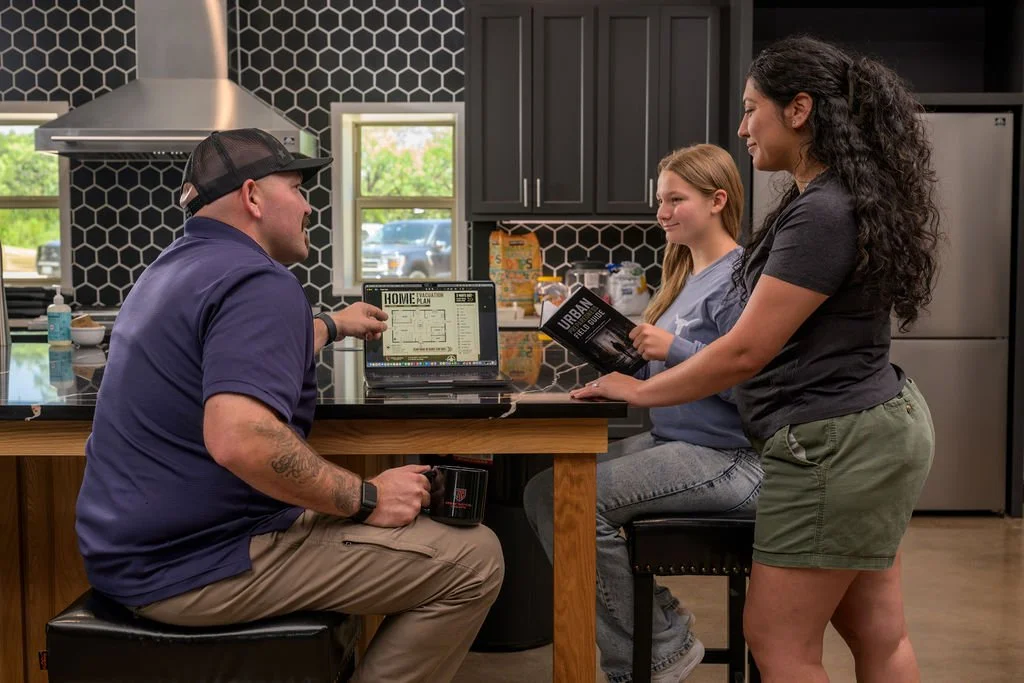
Many families assume they will be able to call, text, or reach each other when something unexpected happens. The reality is that communication systems can become overloaded, batteries die, travel routes change, and normal routines break down when people least expect it.
Our emergency preparedness training helps families identify common readiness gaps before they become problems. Through practical planning, communication strategies, and personal safety training, we help households create realistic plans for real-world disruptions.
What happens if family members cannot contact each other?
Where does everyone meet if routines are disrupted?
How will children respond if parents are delayed?
What is the plan if power, internet, or cellular service becomes unavailable?
Does everyone know what to do without relying on a phone?
Our training helps families answer these questions before stress, confusion, or disrupted communication makes them harder to solve.
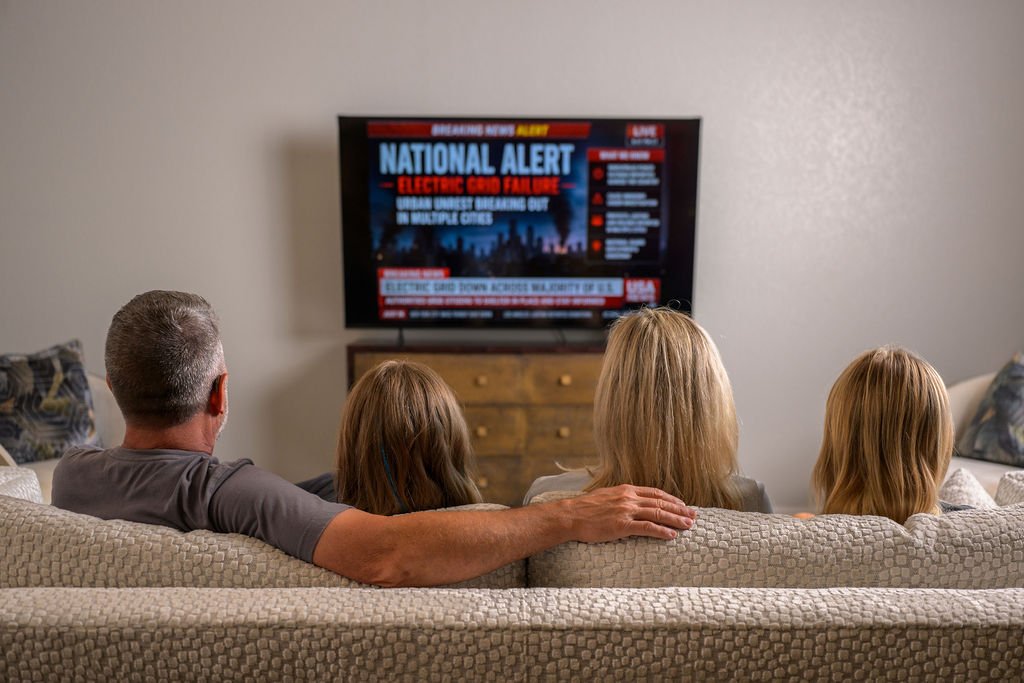
Human Behavior Under Stress
Why People Freeze When They Have No Plan
Most people do not freeze because they are weak. They freeze because their brains are trying to process too much at once. In a stressful moment, confusion can slow down decisions, delay action, and make simple steps feel harder than they should.
UTC helps civilians build mental readiness before pressure hits. Through practical training, people learn how to pause, assess, choose a safer option, and act with more control instead of relying on panic or guesswork.
Recognize when stress is affecting your judgment
Slow down before panic takes over
Focus on the next clear step
Avoid freezing, rushing, or making careless choices
Create simple decision habits before pressure hits
Respond with more control when situations change
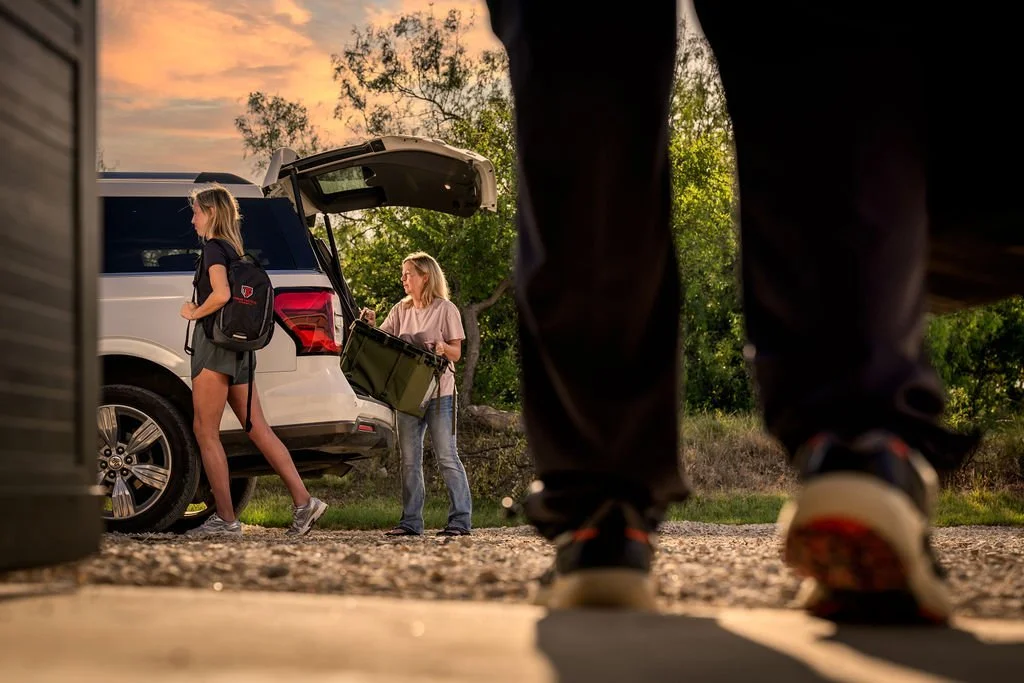
What Makes Us Different
Practical. Realistic. Immediately Usable.
A complete preparedness approach
We connect situational awareness, personal security, emergency planning, family readiness, and decision-making instead of treating them as separate topics.Training made for civilians
You do not need military, law enforcement, or tactical experience. Our training is designed for everyday people who want practical skills they can actually use.Real-world scenarios
We focus on situations people may face in cities, neighborhoods, parking lots, public spaces, travel routes, homes, and daily routines.Calm, practical instruction
We do not teach fear or paranoia. We teach awareness, preparation, and better choices under pressure.Family-focused readiness
Preparedness is not just personal. We help individuals think about spouses, children, parents, and loved ones during emergencies.Hands-on learning
UTC goes beyond theory. Our training helps people practice plans, understand their roles, and build confidence before a crisis happens.
Learn On The Go
Preparedness Starts With Better Information
Short, practical discussions on situational awareness, personal safety training, family preparedness, and everyday decisions that help civilians stay more aware, calm, and prepared.
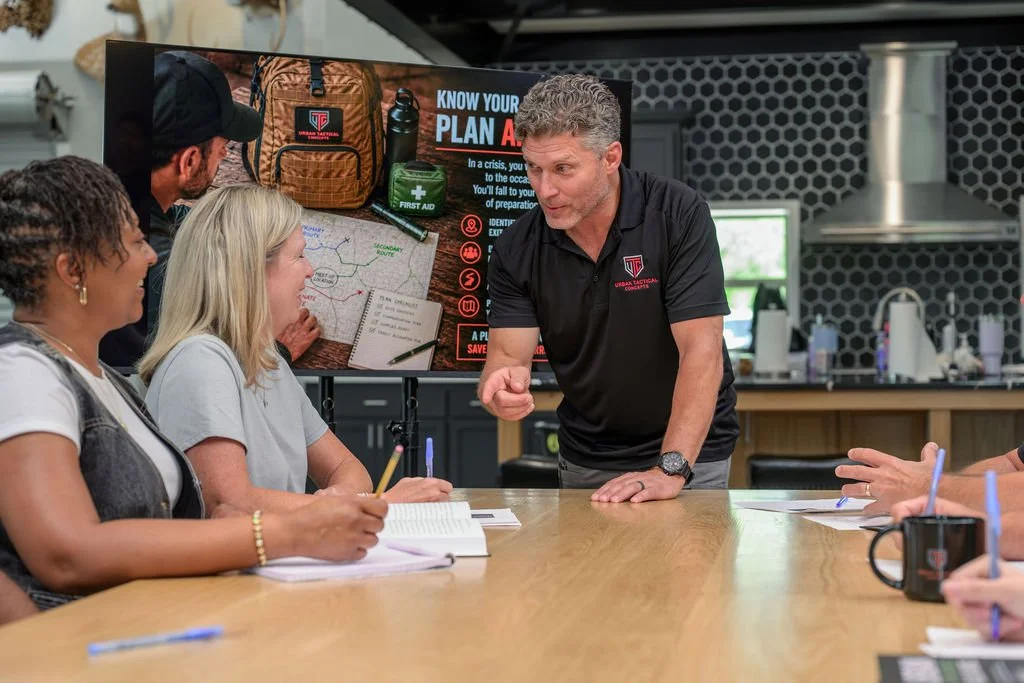
Upcoming Workshops
Develop Confidence Through Practical Training
Interactive workshops designed to help civilians improve awareness, strengthen preparedness habits, and make better decisions under pressure.
-
Learn how to identify potential threats, improve observation skills, and make smarter decisions in public environments.
-
Build practical emergency plans and readiness strategies designed for everyday families.
-
Hands-on instruction focused on confidence, preparedness, and real-world problem-solving skills.
What People Are Saying

Get Safety and
Preparedness Updates
Get safety tips, workshop updates, and practical guidance for staying aware, prepared, and confident.
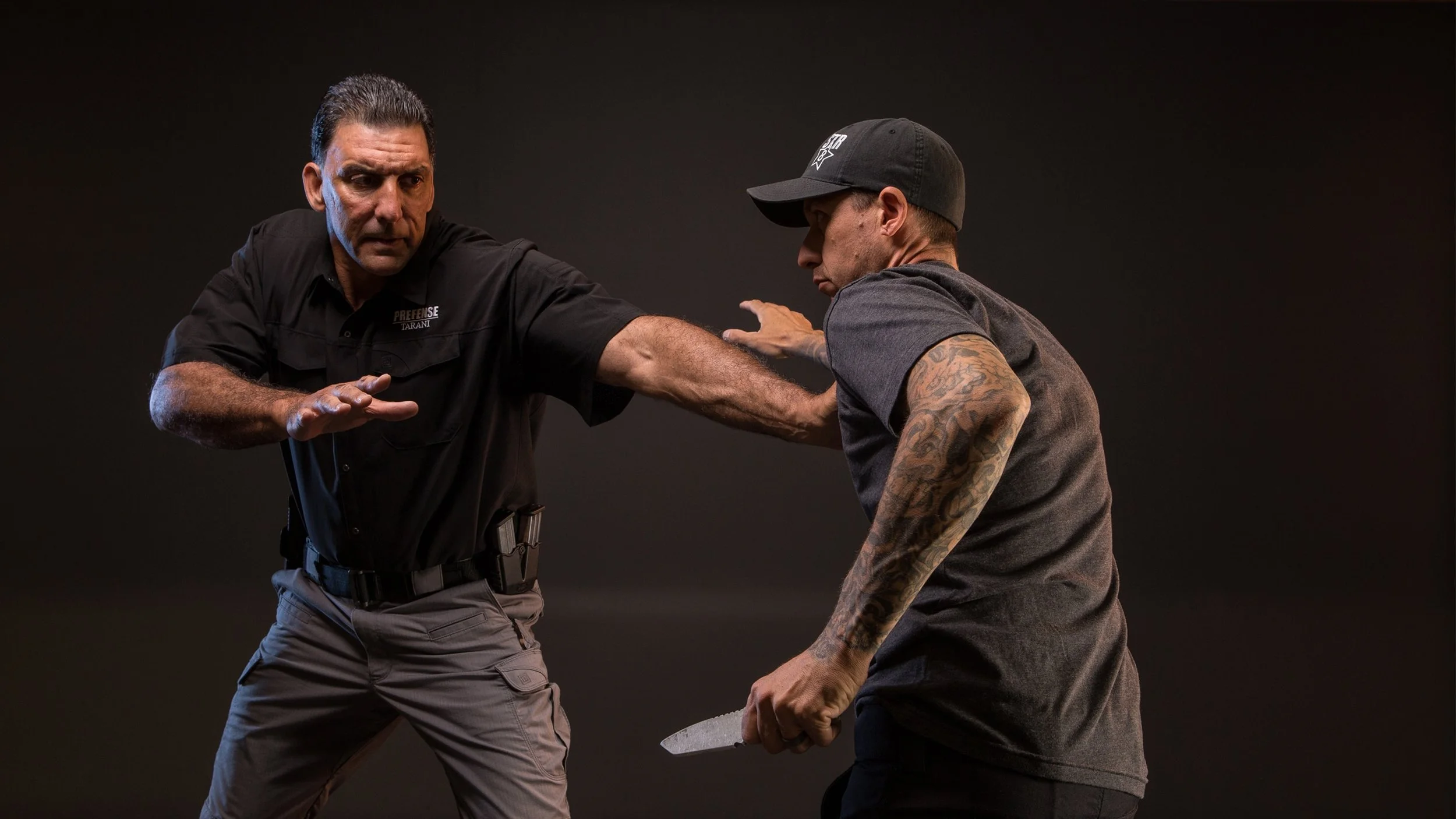
Panic Should Not Be Your Default Response
Fear is natural when something goes wrong, but it should not be the only thing guiding your next move.
UTC helps civilians build the awareness, habits, and practical skills to respond with more control.

Have Questions? Let's Talk
Have questions or want to learn more about our training? Reach out anytime. We are here to help you understand your options, choose the right program, and take the next step toward better preparedness.
Contact Info
Email :
Phone :