

Situational Awareness Training
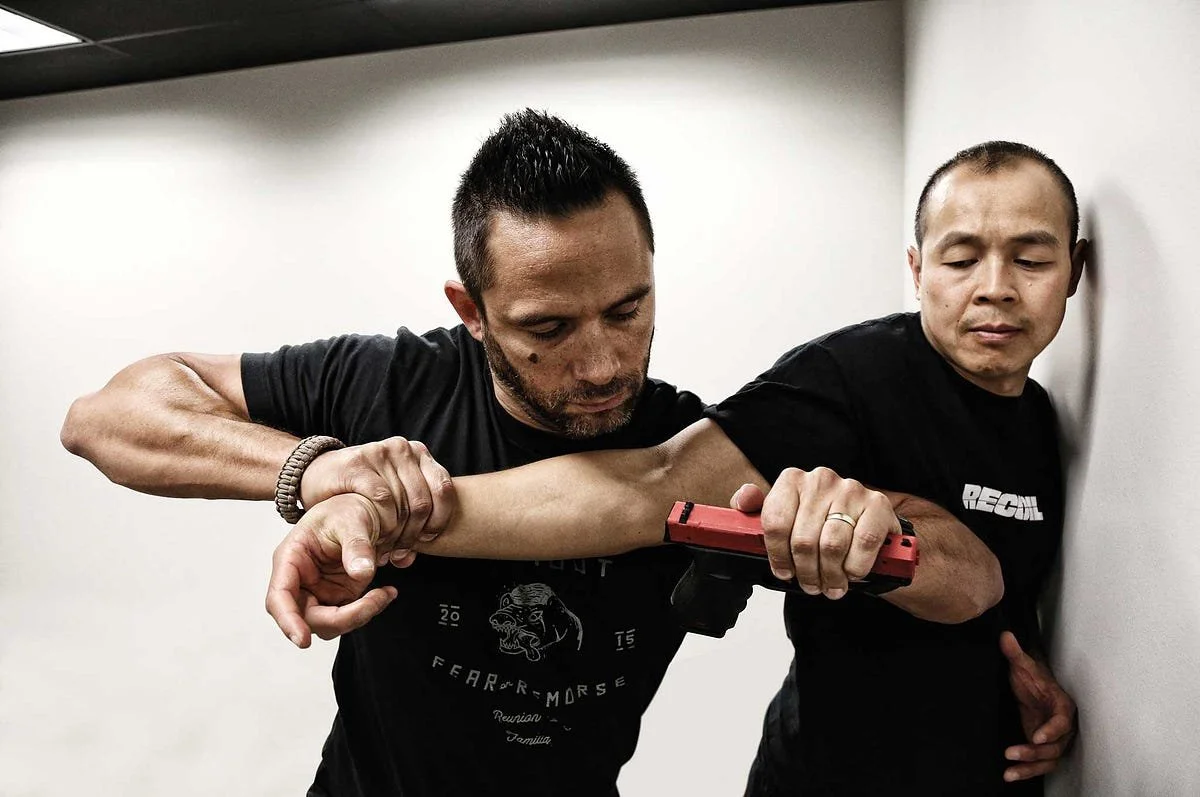
Situational Awareness Course
Most people believe they will notice danger when it appears. The reality is that many situations provide warning signs long before they become obvious. The challenge is knowing what to look for.
Our situational awareness course helps participants become more aware of their surroundings, recognize unusual behavior, identify potential risks earlier, and make better decisions in everyday environments. The training focuses on observation, threat recognition, environmental scanning, and practical decision-making skills that can be applied at home, at work, while traveling, or during public events.

The Signs Most People Miss
Most incidents do not begin with obvious danger. They often begin with small details that people overlook because they are distracted, rushed, or focused elsewhere.
This training explores common indicators that deserve a second look:
Someone paying unusual attention to people instead of their surroundings
Repeated appearances of the same individual in multiple locations
Environmental changes that feel out of place
Blocked exits or restricted movement options
Unusual crowd behavior or sudden shifts in activity
Situations where awareness may support quicker emergency evacuation decisions
Recognizing these signs earlier can provide valuable time to think, create distance, and make safer choices.
WHO it’s FOR
UTC training is ideal for:
Families
|
Business professionals
|
College students
|
Churches & ministry teams
|
Travelers
|
Parents
|
Security volunteers
|
First-time preparedness learners
|
Everyday civilians wanting greater confidence & awareness
|
No prior experience required.
|
Families | Business professionals | College students | Churches & ministry teams | Travelers | Parents | Security volunteers | First-time preparedness learners | Everyday civilians wanting greater confidence & awareness | No prior experience required. |

What You'll Learn
How to recognize unusual behavior and environmental changes
Techniques for observing without becoming distracted
Understanding pre-incident indicators and warning signs
Practical threat recognition strategies
Environmental scanning and risk assessment
Decision-making during uncertain situations
Basic principles used in surveillance detection training
Awareness techniques that support safer movement in public spaces

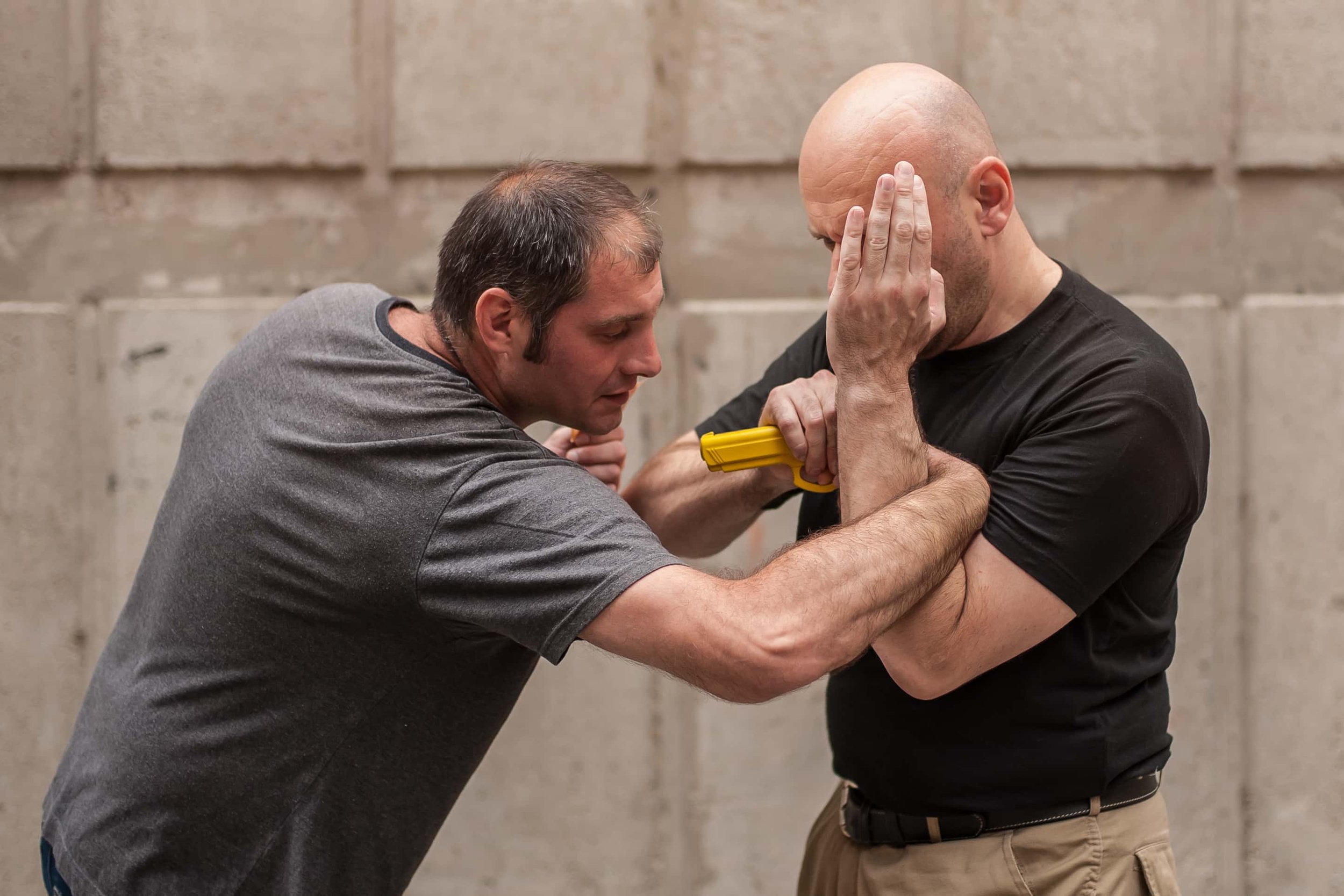
Course Details & Benefits
Duration:
4–6 Hours
Format:
Classroom Instruction
Practical Examples
Scenario-Based Discussions
Interactive Exercises
Guided observation activities
Skill Level:
Beginner Friendly
Benefits of This Training
Build stronger observation and awareness habits
Identify warning signs before situations escalate
Improve decision-making in unfamiliar environments
Develop practical skills taught in a situational awareness course
Better understand human behavior and environmental cues
Gain introductory concepts used in surveillance detection training
Become more confident navigating public spaces, events, and daily routines
Support safer decision-making during an emergency evacuation or unexpected disruption

Build Awareness Before You Need It
The ability to recognize important details is a skill that improves with practice. Join our situational awareness course and start developing habits that can help you make better decisions wherever life takes you.
FAQs
-
Yes. While no training can eliminate risk completely, situational awareness can help people recognize potential concerns earlier, avoid unnecessary vulnerabilities, and make safer decisions before situations escalate.
-
No. The goal is not to create fear or paranoia. The course focuses on understanding environments, recognizing behavioral patterns, and developing practical awareness without constantly assuming the worst.
-
Absolutely. Many awareness principles can help parents identify potential concerns, maintain better accountability, and make more informed decisions when navigating busy public environments with children.
-
Many people are naturally observant, but awareness is a skill that can be improved. This training introduces structured techniques that help participants notice patterns, identify anomalies, and process information more effectively.