

Personal Safety Fundamentals
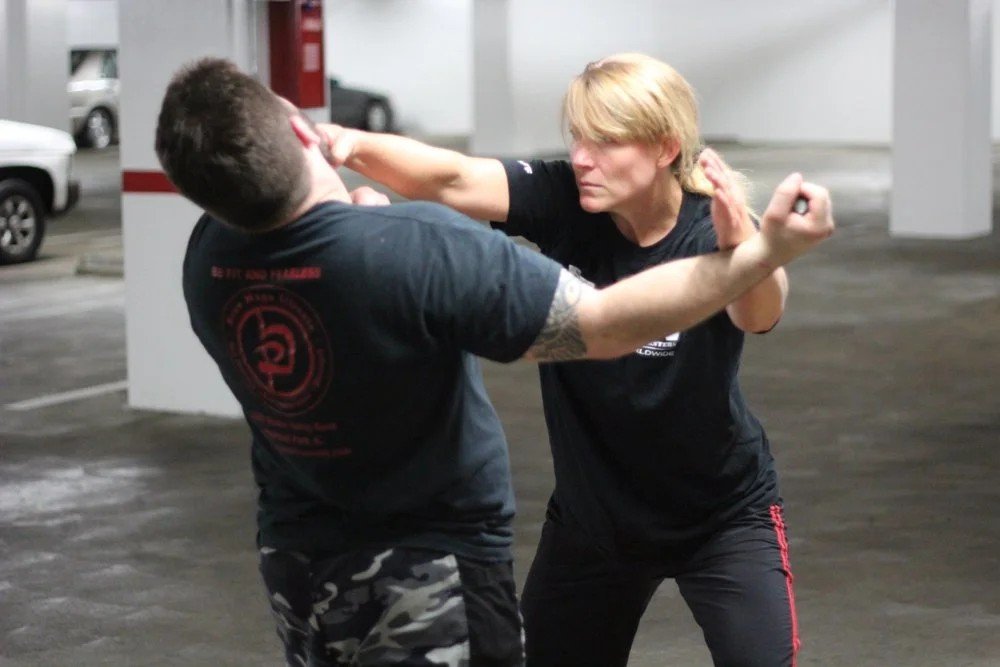
Personal Safety Fundamentals
Personal safety starts before a situation becomes dangerous. It begins with the way you move, observe, communicate, set boundaries, and make decisions in everyday places.
This personal safety course is designed for civilians who want practical skills without fear-based or overly aggressive training. UTC helps participants understand how to reduce vulnerability, recognize concerning behavior, create distance when needed, and respond with more control in uncomfortable or uncertain situations.
The goal is not to make people afraid of the world. It is to help them move through it with better awareness, stronger habits, and clearer decision-making.
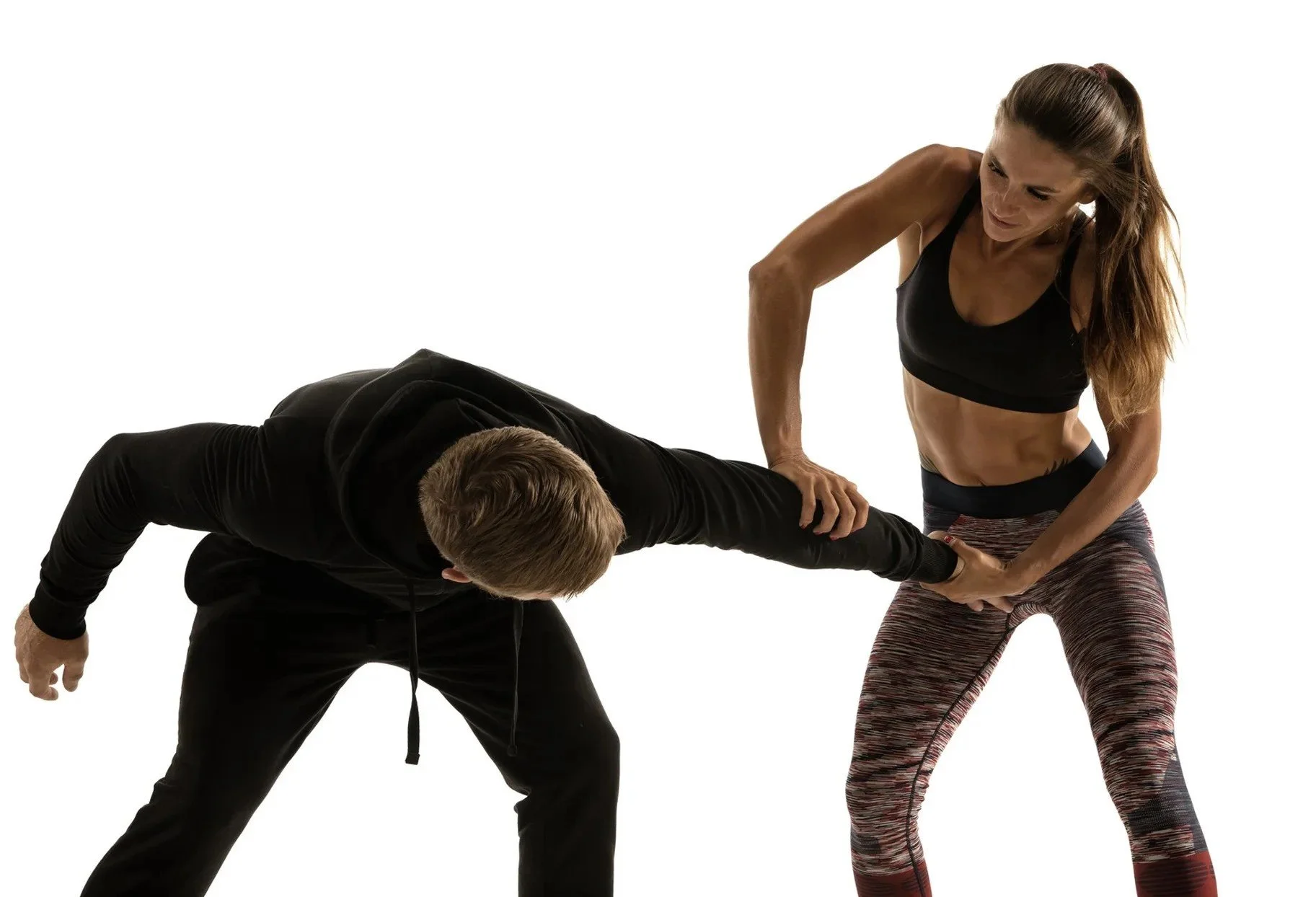
What You'll Learn
How to recognize uncomfortable or unsafe behavior early
How to create distance before a situation escalates
Simple boundary-setting and verbal response strategies
Safer habits for parking lots, public spaces, and daily routines
How distraction can increase personal risk
Practical concepts used in self-protection training
How to trust concern without overreacting
Ways to make faster, safer decisions under pressure
WHO it’s FOR
UTC training is ideal for:
Families
|
Business professionals
|
College students
|
Churches & ministry teams
|
Travelers
|
Parents
|
Security volunteers
|
First-time preparedness learners
|
Everyday civilians wanting greater confidence & awareness
|
No prior experience required.
|
Families | Business professionals | College students | Churches & ministry teams | Travelers | Parents | Security volunteers | First-time preparedness learners | Everyday civilians wanting greater confidence & awareness | No prior experience required. |
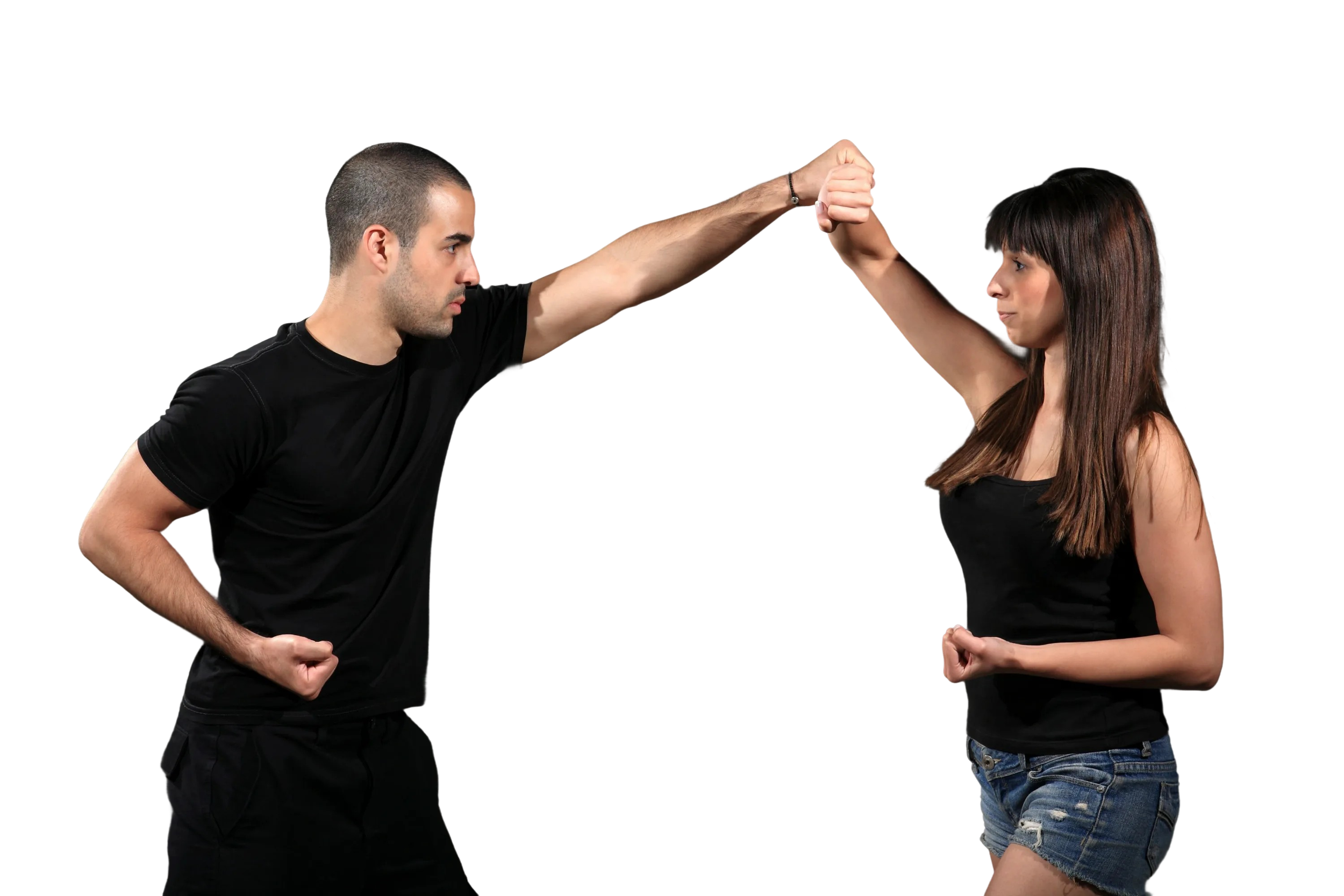
The Moments People Talk Themselves Out Of
Many people sense when something feels wrong, but then quickly dismiss it. They tell themselves they are overthinking, being rude, or making a big deal out of nothing. That hesitation can keep them in situations longer than they should be.
This section of the training focuses on those small decision points where personal safety often begins.
When someone keeps closing the distance after you move away
When a conversation starts feeling controlling or uncomfortable
When you notice someone watching, following, or matching your movement
When politeness makes it harder to leave
When your instincts say something is off, but you hesitate to act
When creating distance early is safer than waiting for proof

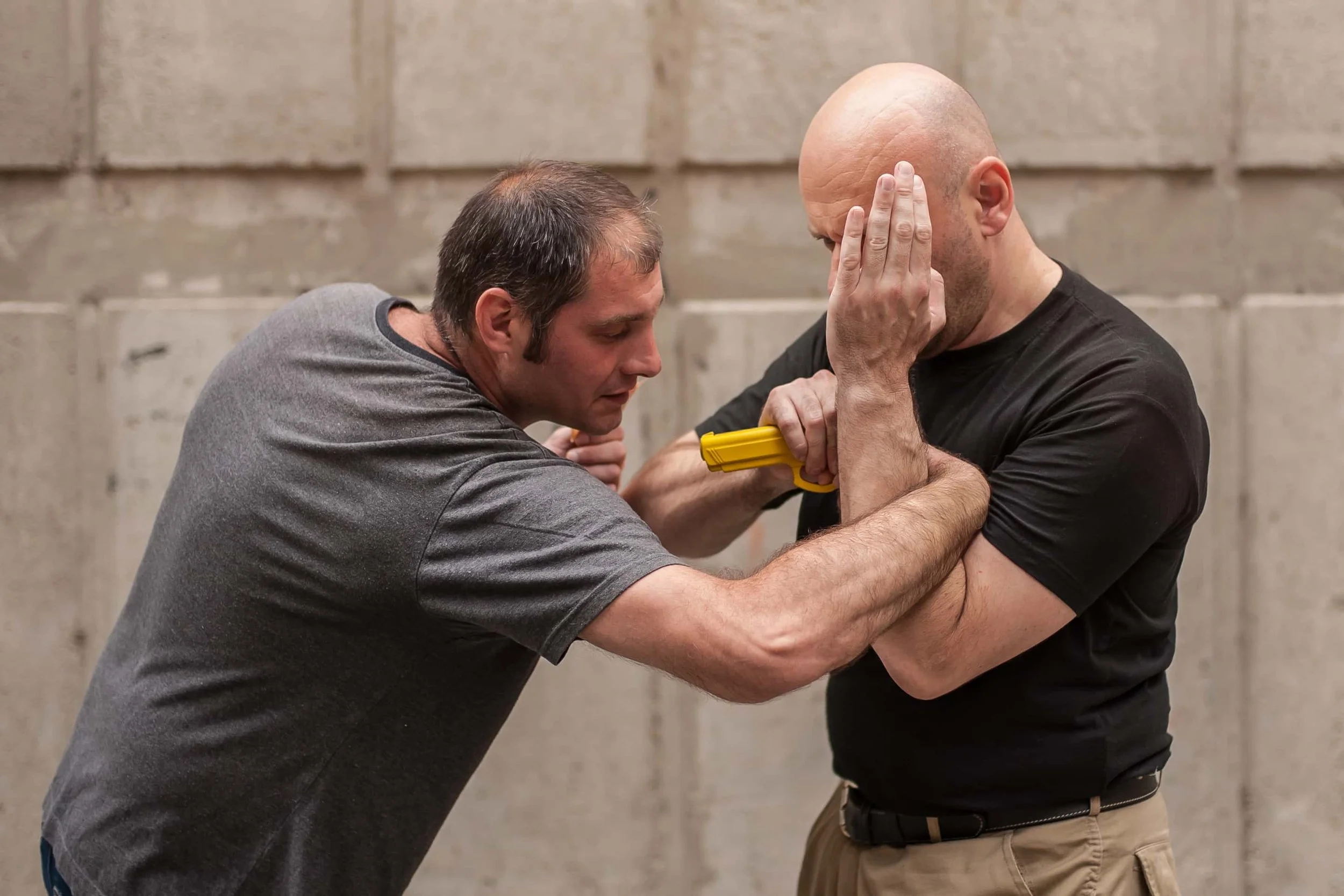
Course Details & Benefits
Duration:
4–6 Hours
Format:
Classroom Instruction
Practical Examples
Scenario-Based Discussions
Interactive Exercises
Guided decision-making practice
Skill Level:
Beginner Friendly
Benefits of This Training
Build stronger everyday safety habits
Improve confidence in public environments
Learn how to respond to uncomfortable behavior
Understand personal boundaries more clearly
Reduce hesitation during uncertain situations
Strengthen decision-making through personal safety training
Gain practical tools that support safer movement and communication
Learn concepts that apply at work, while traveling, and in daily life

Ready to Take Your Safety More Seriously?
Personal safety is easier to practice before pressure appears. Join UTC’s personal safety course and learn practical skills that can help you move, think, and respond with more control.
FAQs
-
No. This course is useful for anyone who wants better habits, clearer boundaries, and more practical awareness in daily life. You do not need to feel unsafe to benefit from learning how to reduce risk.
-
This course focuses more on prevention, awareness, boundaries, decision-making, and avoiding unnecessary escalation. It may support broader self-protection training, but it is not built as a combat or martial arts class.
-
Yes. Many concepts apply to parking lots, stores, rideshare situations, public events, and unfamiliar environments. The goal is to help participants recognize concerns earlier and make safer choices with more confidence.
-
That is very common. This course introduces practical ways to communicate boundaries, create distance, and respond without feeling like you have to become aggressive or confrontational.