

Communication & De-Escalation
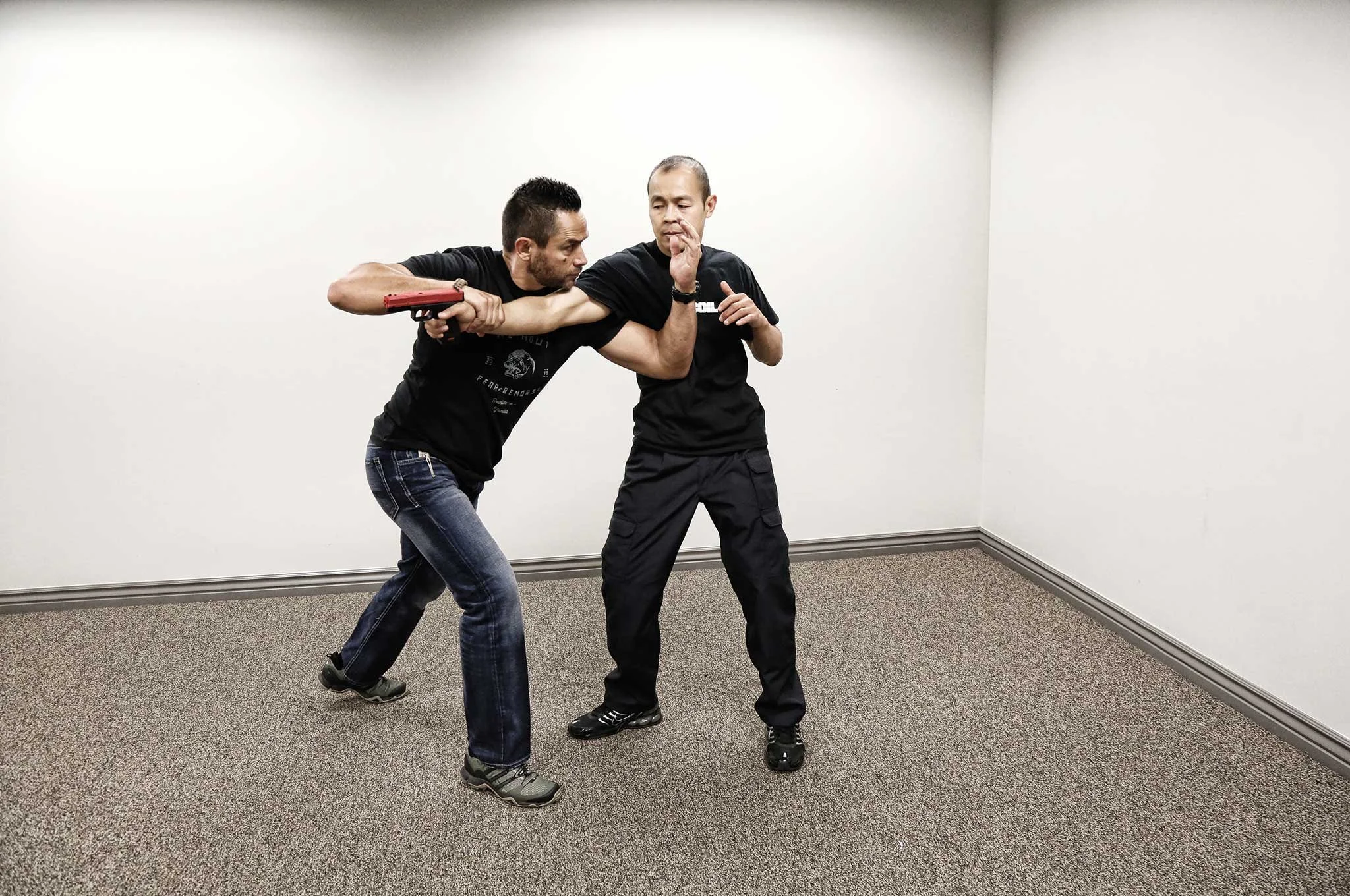
Not Every Problem Needs More Force
Many conflicts begin as misunderstandings, frustration, stress, or poor communication. Unfortunately, people often respond by becoming louder, more defensive, or more confrontational, which can increase tension rather than reduce it.
This training teaches practical communication strategies that help participants recognize escalating behavior, manage their own responses, and navigate difficult interactions more effectively. Through verbal de-escalation training, participants learn how to communicate with greater control, reduce unnecessary conflict, and make safer decisions during challenging situations.
The goal is not to win arguments. The goal is to prevent situations from becoming bigger problems.

What You'll Learn
How to recognize signs of rising tension
How tone, body language, and word choice affect conflict
When to speak, pause, redirect, or disengage
How to set boundaries without making the situation worse
How to avoid matching someone else’s aggression
Practical conflict de-escalation strategies
How to stay aware while communicating
When distance, help, or exit planning may be the safer choice
WHO it’s FOR
UTC training is ideal for:
Families
|
Business professionals
|
College students
|
Churches & ministry teams
|
Travelers
|
Parents
|
Security volunteers
|
First-time preparedness learners
|
Everyday civilians wanting greater confidence & awareness
|
No prior experience required.
|
Families | Business professionals | College students | Churches & ministry teams | Travelers | Parents | Security volunteers | First-time preparedness learners | Everyday civilians wanting greater confidence & awareness | No prior experience required. |
The Need to Be Right Can Make Things Worse
Many conflicts grow because neither person wants to step back.
Someone feels disrespected. Someone wants the last word. Someone reacts emotionally instead of intentionally. What begins as a small disagreement can quickly become a situation nobody wanted.
This training explores one of the most overlooked personal safety skills: the ability to manage your response when emotions start taking control.
Participants learn how to recognize when a conversation is becoming less productive, when tension is rising, and when changing their communication approach may help reduce risk.
When should you continue the conversation?
When should you disengage?
How do you set boundaries without escalating tension?
What words tend to make situations worse?
What signals indicate someone is becoming more agitated?
How can you remain calm when others are not

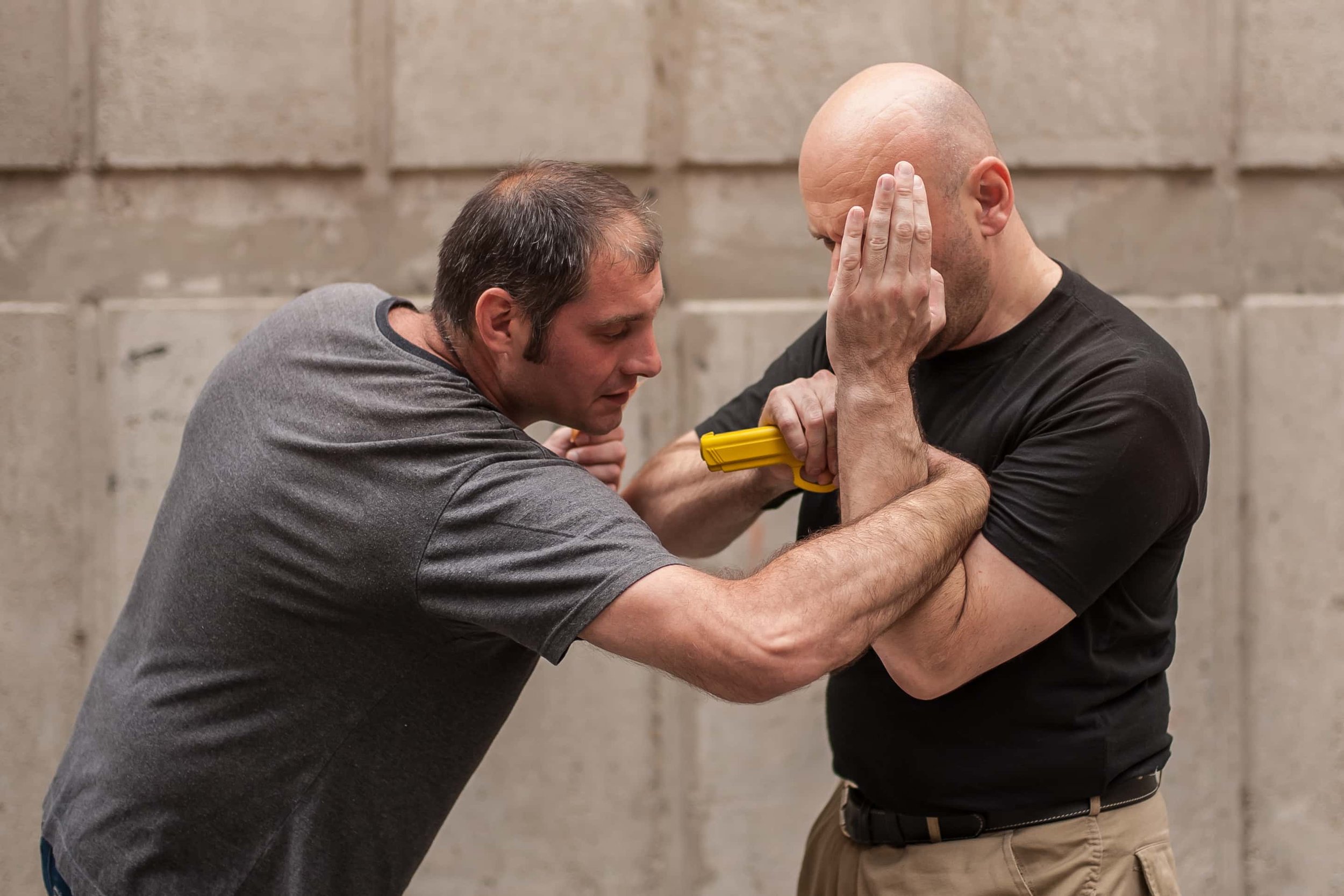
Course Details
Duration:
4–6 Hours
Skill Level:
Beginner Friendly
Training Format:
Instructor-led discussion
Communication exercises
Scenario-based learning
Role-playing activities
Guided de-escalation practice
Group problem-solving
Benefits:
Better control during tense conversations
Stronger understanding of escalation warning signs
Practical tools from de-escalation training
Improved boundary-setting skills
Reduced risk of making conflict worse
Better awareness of verbal and nonverbal cues
Safer decision-making during difficult interactions
Useful skills for public, workplace, family, and community settings

Learn How to Respond Before Tension Takes Over
De-escalation is a skill. The more you understand how conflict builds, the better prepared you are to communicate clearly, protect your space, and make safer decisions.
FAQs
-
No. The communication skills taught in this course can be applied at home, in public, during travel, in community settings, and in professional environments.
-
Not at all. De-escalation focuses on managing conflict in a way that reduces unnecessary risk while still allowing you to communicate clearly and maintain boundaries.
-
Yes. Many of the communication principles taught in the course can be applied during emotionally charged discussions with family members, friends, and coworkers.
-
The training discusses strategies for recognizing when communication is no longer productive and when creating distance or disengaging may be the better option.