

Emergency Decision-Making
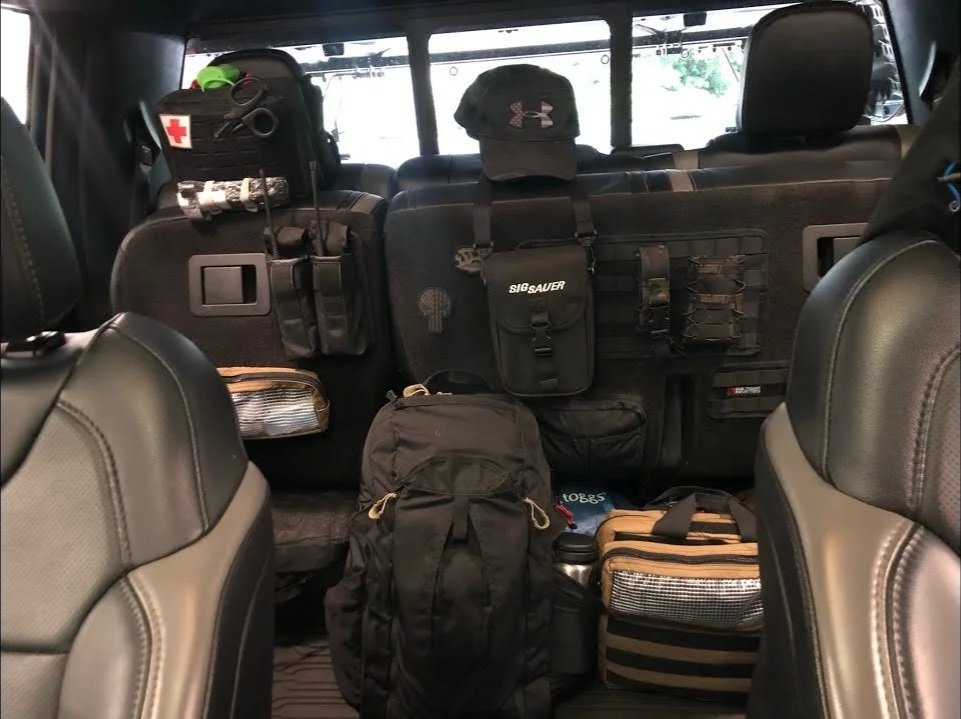
Good Decisions Are Rarely Made Under Pressure
Most emergencies do not come with clear instructions. Information is incomplete, stress levels rise, and people are often forced to make decisions before they feel ready.
This training introduces practical frameworks that help participants process information, prioritize actions, and make better decisions when circumstances change quickly. Topics include emergency action planning, decision-making under stress, problem-solving during uncertainty, and principles that support grid-down preparedness and North Texas emergency preparedness.
Rather than focusing on fear, the course focuses on helping people think more clearly when conditions are less than ideal.

Decision-making under stress
Prioritizing actions during disruptions
Understanding the OODA Loop framework
Processing information more efficiently
Recognizing common decision-making mistakes
Managing uncertainty and incomplete information
Practical emergency planning concepts
Building adaptable response strategies
What You'll Learn
WHO it’s FOR
UTC training is ideal for:
Families
|
Business professionals
|
College students
|
Churches & ministry teams
|
Travelers
|
Parents
|
Security volunteers
|
First-time preparedness learners
|
Everyday civilians wanting greater confidence & awareness
|
No prior experience required.
|
Families | Business professionals | College students | Churches & ministry teams | Travelers | Parents | Security volunteers | First-time preparedness learners | Everyday civilians wanting greater confidence & awareness | No prior experience required. |

The Cost of Waiting for Perfect Information
One of the biggest mistakes people make during emergencies is waiting until they feel completely certain before taking action.
Unfortunately, perfect information rarely exists during a crisis.
The longer people wait for every answer, the fewer options they may have available.
This training explores how the OODA Loop (Observe, Orient, Decide, Act) helps people gather information, evaluate conditions, make decisions, and adjust as situations evolve.
Participants learn that effective decision-making is not about predicting the future. It is about making the best decision possible with the information available at the time.
What information matters most right now?
What action needs to happen first?
What can wait?
When should a plan change?
How do you avoid analysis paralysis?
How do you make decisions when conditions keep changing?

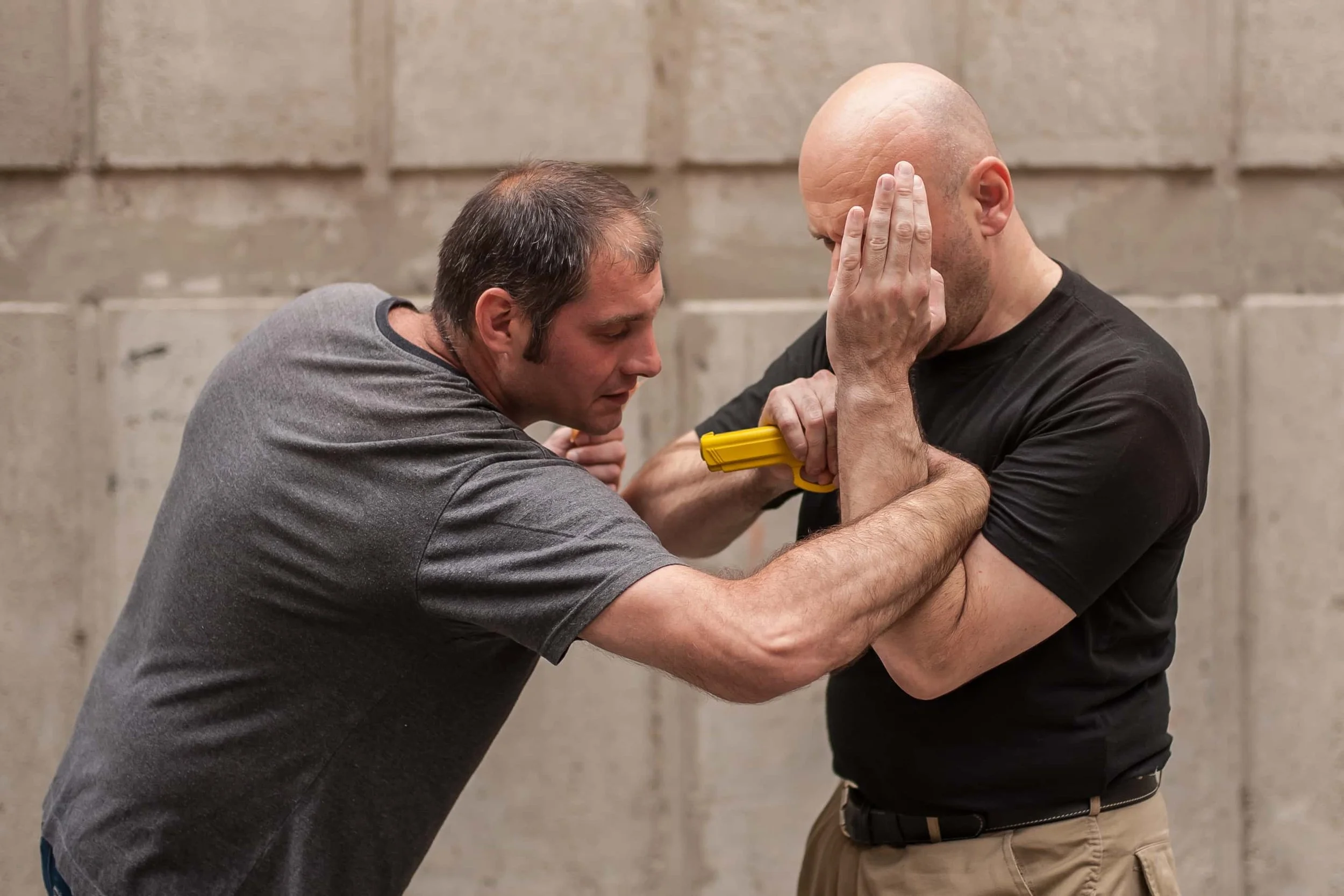
Course Details & Benefits
Duration:
4–6 Hours
Skill Level:
Beginner Friendly
Training Format:
Instructor-led instruction
OODA Loop exercises
Scenario-based decision challenges
Group discussions
Planning activities
Guided problem-solving exercises
Benefits:
Better decision-making under pressure
Improved adaptability during changing situations
Greater understanding of emergency action planning
Reduced hesitation during uncertain events
Practical tools for managing incomplete information
Stronger planning and prioritization skills
Useful concepts for grid-down preparedness
Improved confidence when responding to unexpected disruptions

Learn to Decide Before Pressure Decides for You
The ability to make sound decisions is a skill that can be practiced and improved. Join this training to learn practical frameworks that help you think clearly, adapt quickly, and act with purpose when situations change.
FAQs
-
No. The course is designed for everyday civilians and focuses on practical decision-making concepts that anyone can apply.
-
No. The decision-making principles can be applied to everyday challenges, workplace situations, travel disruptions, severe weather events, and larger emergencies.
-
Stress, uncertainty, conflicting information, and time pressure can all affect judgment. This course explores techniques that help improve clarity during these situations.
-
Preparedness involves more than supplies and plans. It also requires the ability to evaluate information, adapt to changing conditions, and make effective decisions when circumstances do not go as expected.