

Corporate Safety Workshops

The Safety of Your Team Depends on More Than Policies
Most organizations have procedures, emergency contacts, and safety policies. The challenge is that emergencies rarely unfold exactly as written.
People may be separated. Information may be incomplete. Communication systems may become overloaded. Stress can affect judgment. In those moments, preparation becomes more important than paperwork.
UTC's Corporate Safety Workshops help organizations strengthen awareness, preparedness, communication, and decision-making before a disruption occurs. Through practical instruction, workplace violence prevention training, and workplace de-escalation training, teams gain skills that support a safer and more resilient workplace.

What You'll Learn
Workplace awareness and threat recognition
Emergency planning fundamentals
Employee safety responsibilities
Decision-making during disruptions
Communication during emergencies
Workplace violence prevention principles
De-escalation strategies for difficult situations
Building a culture of preparedness and accountability
WHO it’s FOR
UTC training is ideal for:
Families
|
Business professionals
|
College students
|
Churches & ministry teams
|
Travelers
|
Parents
|
Security volunteers
|
First-time preparedness learners
|
Everyday civilians wanting greater confidence & awareness
|
No prior experience required.
|
Families | Business professionals | College students | Churches & ministry teams | Travelers | Parents | Security volunteers | First-time preparedness learners | Everyday civilians wanting greater confidence & awareness | No prior experience required. |

Most Workplaces Have a Plan. Few Have Practiced It.
Many organizations have emergency procedures stored in a binder, handbook, or shared drive. The challenge is that procedures and preparedness are not the same thing.
When something unexpected happens, employees rarely have time to search for instructions. People fall back on what they know, what they remember, and what they have practiced.
This workshop helps teams think beyond compliance requirements and focus on practical readiness.
Consider These Questions:
Would employees know where to go during an emergency?
How quickly could your team account for everyone?
If normal communication systems failed, what is the backup plan?
Would staff recognize a developing safety concern before it became a crisis?
How prepared are employees to make decisions when information is incomplete?
Has your emergency plan been discussed recently or simply documented?
Effective preparedness is not measured by the plan itself. It is measured by how well people can execute it when pressure arrives.

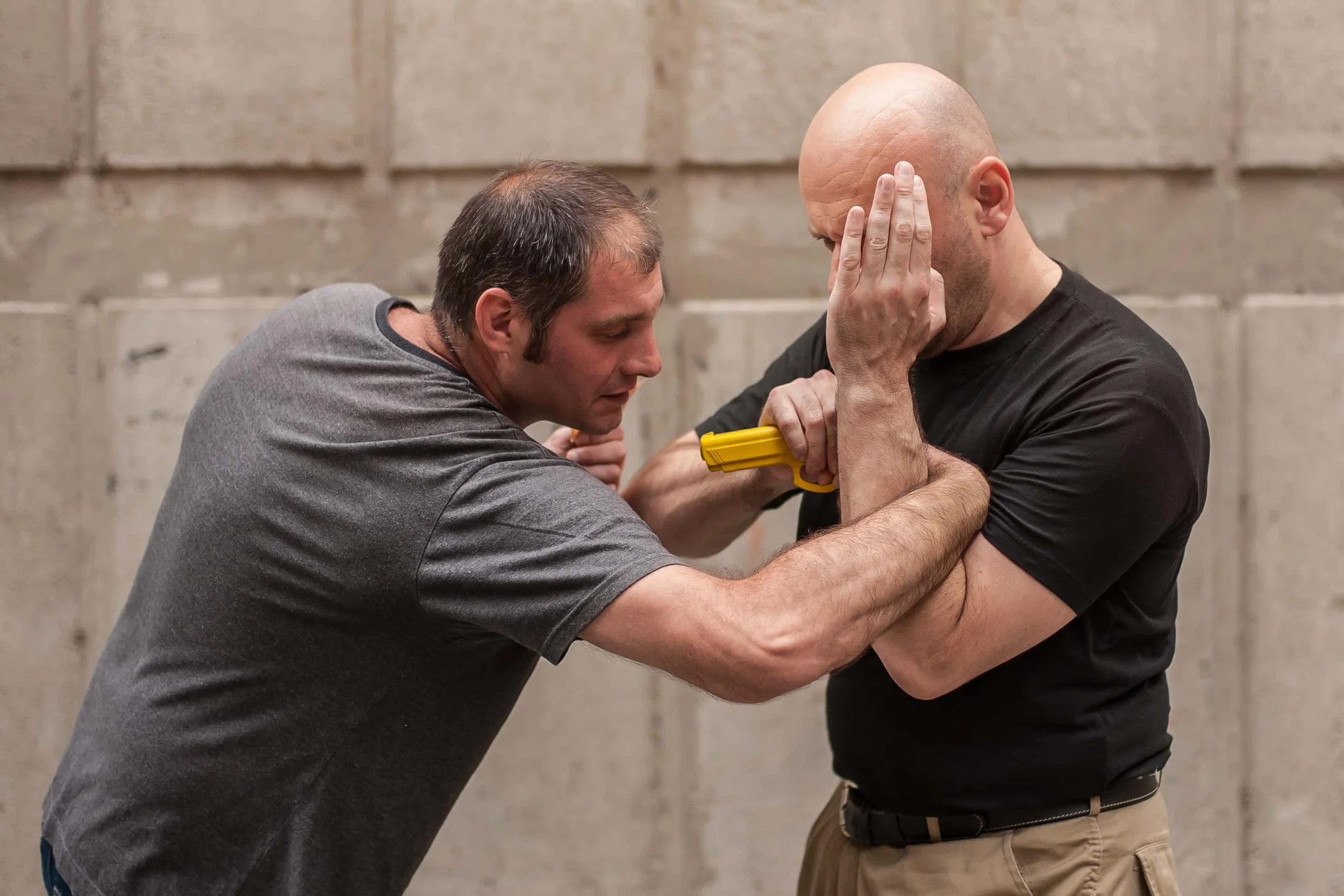
Workshop Details & Benefits
Duration:
Half-Day or Full-Day Workshop Options
Workshop Format:
Instructor-led workshops
Group discussions
Workplace scenarios
Communication exercises
De-escalation practice
Team problem-solving activities
Benefits:
Stronger workplace preparedness
Better emergency planning awareness
Improved team communication during disruptions
Greater understanding of workplace violence prevention
Practical workplace de-escalation concepts
Increased employee confidence during unexpected situations
More resilient organizational planning
Enhanced workplace safety culture

Emergencies Do Not Schedule Themselves Around Business Hours
A stronger workplace starts with prepared people. Schedule a corporate safety workshop and help your team build practical skills that support awareness, preparedness, and employee safety.
FAQs
-
Many workplace safety programs focus on compliance requirements. UTC workshops focus on preparedness, decision-making, awareness, communication, and practical response skills that employees can apply during unexpected situations.
-
Yes. Training can be adapted to your organization's environment, workforce size, and operational concerns.
-
No. Small businesses, nonprofits, churches, schools, community organizations, and larger companies can all benefit from preparedness-focused training.
-
Yes. Participants learn practical concepts related to workplace violence prevention training, including recognizing concerns early and understanding appropriate response considerations.